
This is our Mauritius itinerary – 7 family-friendly days, rental car tips, and the full day-by-day route.
As with all itinerary blogs, I will start this one with the story of how we ended up deciding Mauritius as the destination.
We were planning this trip with our friends (who were also with us in Georgia and Armenia). The typical process was happening – “this place is really good but flights are too expensive”, “we don’t have that many holidays”, “this would be repeat for XYZ, let’s do some new places”. Then we switched to a different process – which places have direct flights from Bangalore? That narrowed it down quite a bit and one country popped out of the map now – Mauritius. There was a direct Indigo!
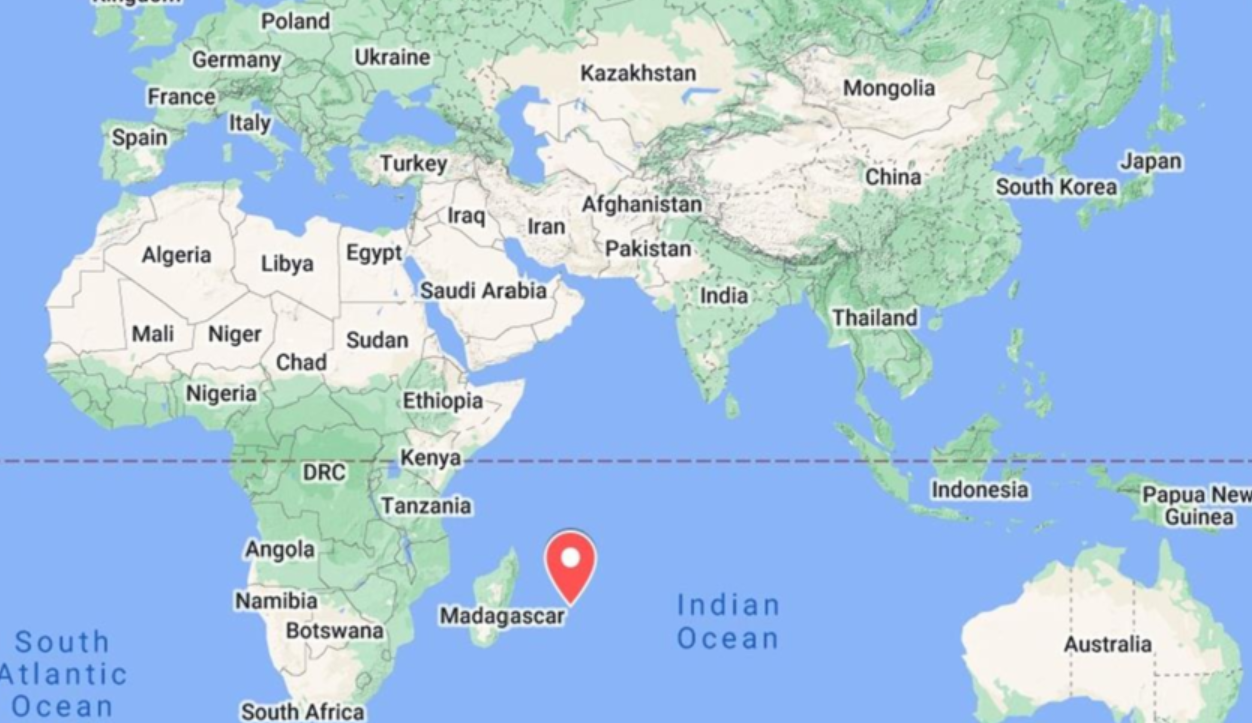
What was surprising when we started planning our Mauritius itinerary was that a lot of people didn’t really know where the country was located on the map. It is tucked in as a small dot in the Indian Ocean, off the coast of Madagascar and is a part of Africa. It is further south of Seychelles, a trip we had done just before Covid.
Trip Snapshot
| Duration | 7 days (8 incl. arrival/departure) |
| When we visited | April 2025 |
| Best season | May-Dec (avoid Jan-Mar cyclone season) |
| Route | Mahebourg → Mont Choisy (north, 3 nights) → La Gaulette (south, 4 nights) → airport |
| Getting there | Direct Indigo flight from Bangalore (~6 hrs); airport is 1.5 hrs from Port Louis |
| Travelled as | Family with a 4-year-old |
A quick history of Mauritius
Mauritius was an uninhabited island till the year 1638. While it was originally discovered by the Portuguese in the early 1500s, they didn’t settle there. The island was named by Dutch explorers after Prince Maurice of Nassau when they landed in 1598. They started colonising it in the year 1638 and started chopping down the dense forests to make way for sugarcane fields (which they brought from Java). Ultimately, they abandoned the island in 1710 after numerous failed attempts to tackle the cyclones and diseases.
The French took over 5 years later and the French Governor, Mahe de La Bourdonnais started laying the foundations of the modern day “development”. They brought in slaves from Africa and India to work on their fields – ancestors of the present day population.
The British attacked in 1810 and took over the island. In 1835, slavery was abolished and indentured labour took over. Most of the labour came from India – a significant population from the present-day Bihar. Hence, the most spoken language after Mauritian Creole is Bhojpuri!
Mauritius got independence in 1968 and Sir Seewosagur Ramgoolam became the first prime minister.
Knowing this brief history really helps as it brings in a lot more appreciation for the people, their culture, food and various influences that led to them.
In case you haven’t already, you can quickly subscribe by just dropping your mail ID below and get full access to all the itinerary blogs on this website.
Best time to plan your Mauritius itinerary
The popular season is May to December (which is a huge window). Basically, Jan to Mar can be avoided as these are the wet months and the island experiences its cyclone season. Since Mauritius is in the southern hemisphere, summer actually begins around Sep-Oct.
We went in mid-April and we got really good weather. The cyclone season was over and the weather was pleasant. There were a few rainy days but not so bad that they spoiled any plans during our trip.
Getting to Mauritius
You can fly into the Sir Seewoosagur Ramgoolam International Airport from major hubs like Dubai, India, Turkey and South Africa. There are also direct flights from the UK and France (both being former colonisers of the island). You can even consider clubbing some nearby islands like Seychelles, Reunion and Madagascar – though the flight prices are super expensive for the short duration of the flights. Do note that the airport is not in the capital city of Port Louis. It’s a 1.5 hour drive away on the diagonally opposite end of the island (close to the town of Mahebourg).
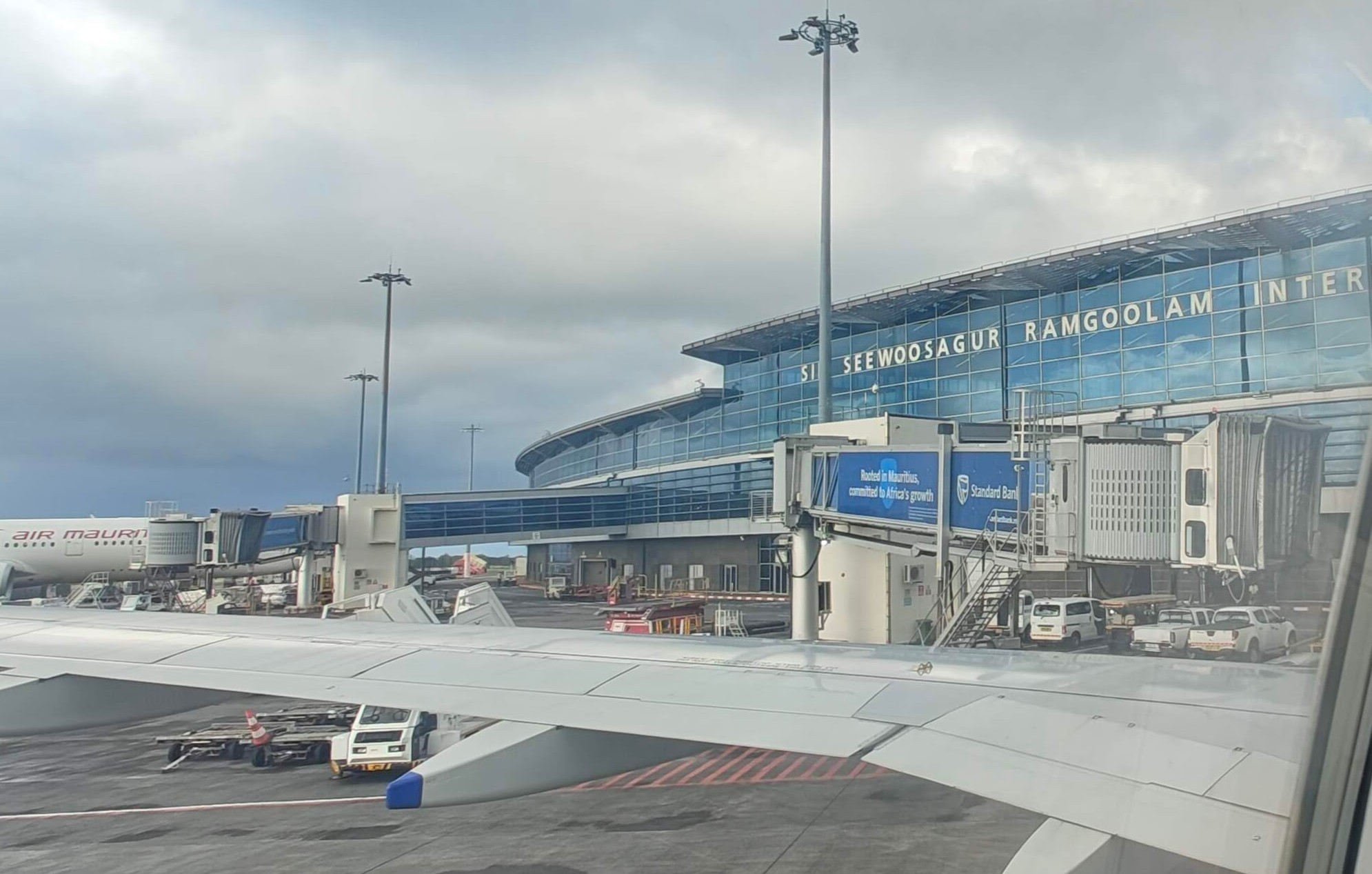
We took the Indigo direct flight from Bangalore to Mauritius – it was super convenient. While travelling for 6 hours on an Indigo A320 is not exactly an “international” experience, I was happy enough that the option existed instead of a layover in Dubai.
Visa – Mauritius
Indians do not need a visa to visit Mauritius. The visa-on-arrival is valid for 60 days – which is more than enough considering that it takes about 2 hours to drive across the entire island. You can find the visa details here for all countries. There was a form to be filled before getting into the immigration queue – QR codes were available near the queues and the airport had free Wifi. This one can take up to 3-4 minutes per person.
Currency
The local currency is the Mauritian Rupee (MUR). At the time of our travel in Apr 2025, one Mauritian Rupee was equal to 1.9 Indian Rupees. 1 USD would get you around 45 MUR. We got really good conversion rates at the airport itself – so you can use those counters.
There aren’t enough ATMs around – so it would be best to convert your currency when you get a chance. Credit cards were accepted in most places – so that is also a good option.
Local travel – Mauritius
Getting your own car would be the best way to explore the island at your own pace. It gives a lot of flexibility. While there are buses running around the island on all routes, their frequency can make it challenging to plan the day. If you are travelling with kids, you should definitely take a rental car.
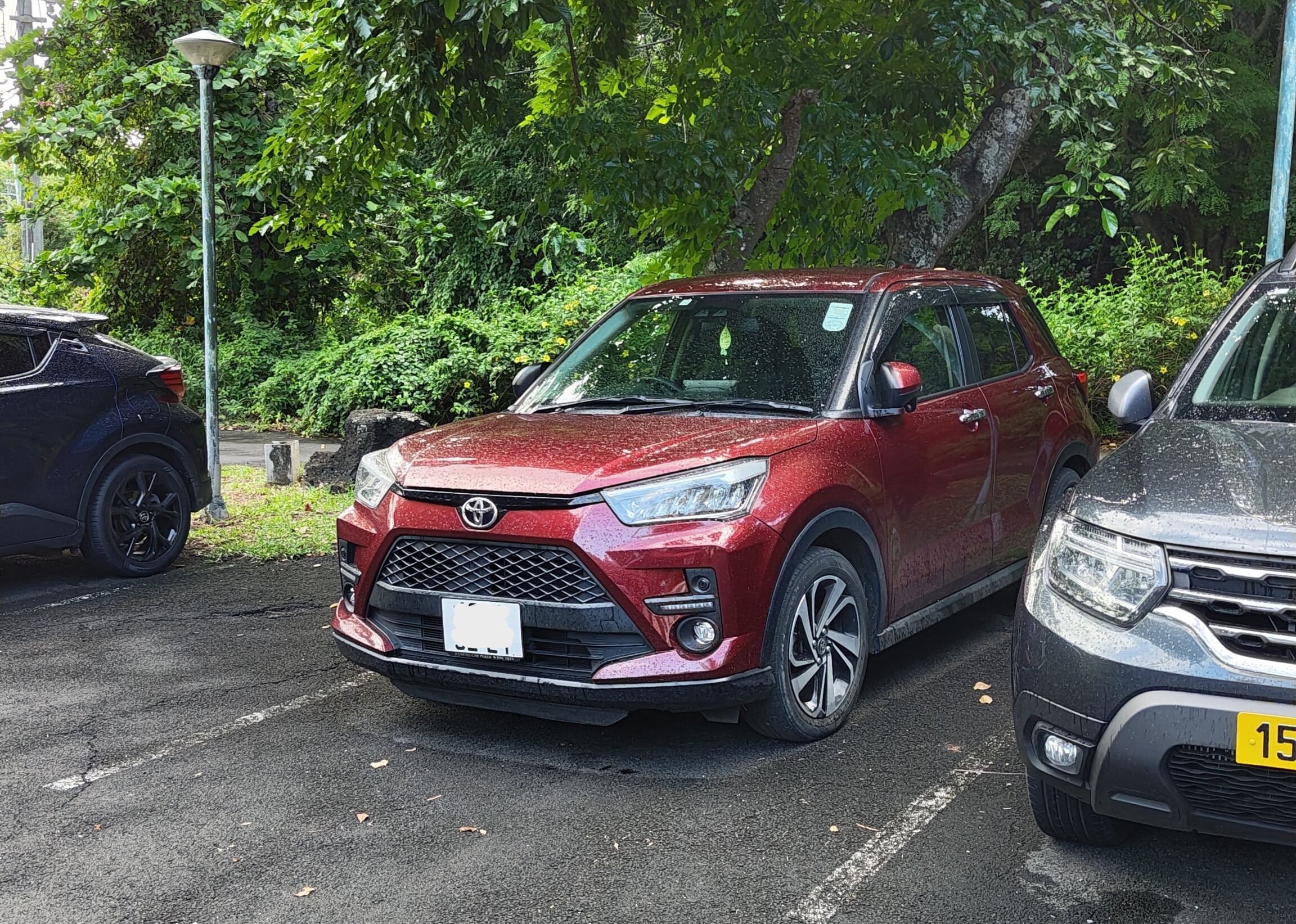
We took ours from Discover Cars. As there were 6 of us, we took a compact SUV (a Toyota Raize). But they have all sorts of options to pick from – from hatchback to pick-up truck. You can pick them up at the airport and drop them back when you leave. It is super convenient and gives you unparalleled freedom to see the island.
How many days to spend in your Mauritius itinerary
Mauritius is not your typical “cover all the sights in 3 days” kinda country. Well, you could do it. But the slow island vibes are best experienced in a longer vacation. You could go ahead and plan 3 days packed with activities and then spread them out over 5-6 days. This would give you enough flexibility to change your mind depending on the mood of the day and also leave room for weather-related rescheduling.
We spent 7 days as part of our family-friendly Mauritius itinerary – without cramming a lot of plans for each day. While reading our version of the itinerary, it may seem like quite a bit – but do keep in mind that the places are very close by. In fact, driving the entire length of the country took as much time as my daily one-way commute.
Our Mauritius itinerary
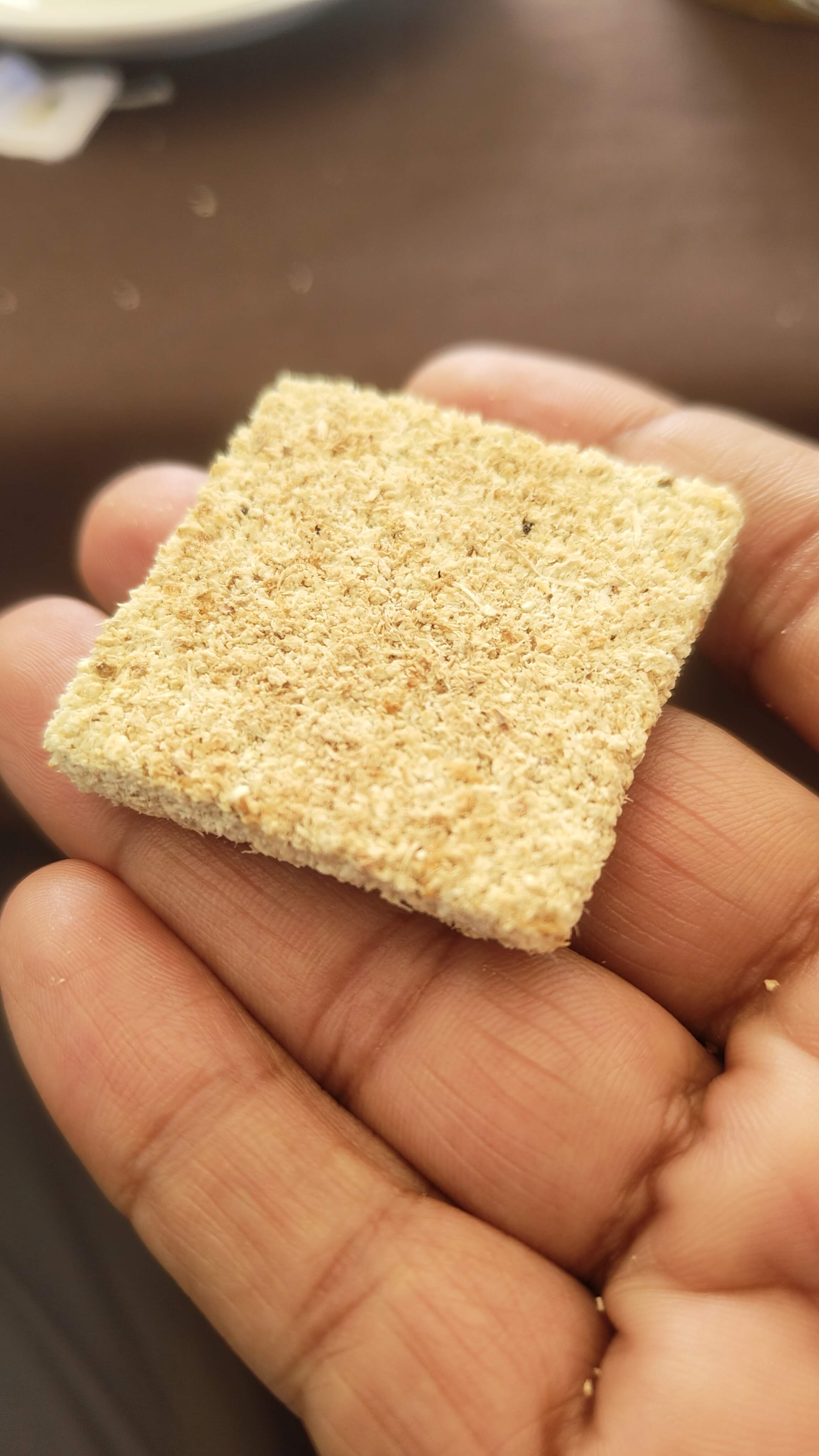
Day 1: Arrive at Sir Seewoosagur Ramgoolam International Airport. Collect rental car from the arrival terminal, do all checks necessary (read our rental car checklist in this blog) and drive to Mahebourg. Eat breakfast, stroll along the Mahebourg waterfront and visit the Raoult Biscuit Factory to sample some cassava biscuits. Drive north to Mont Choisy and visit the red church in Cap Malheureux. End the day with a relaxed sunset at Pereybere beach.
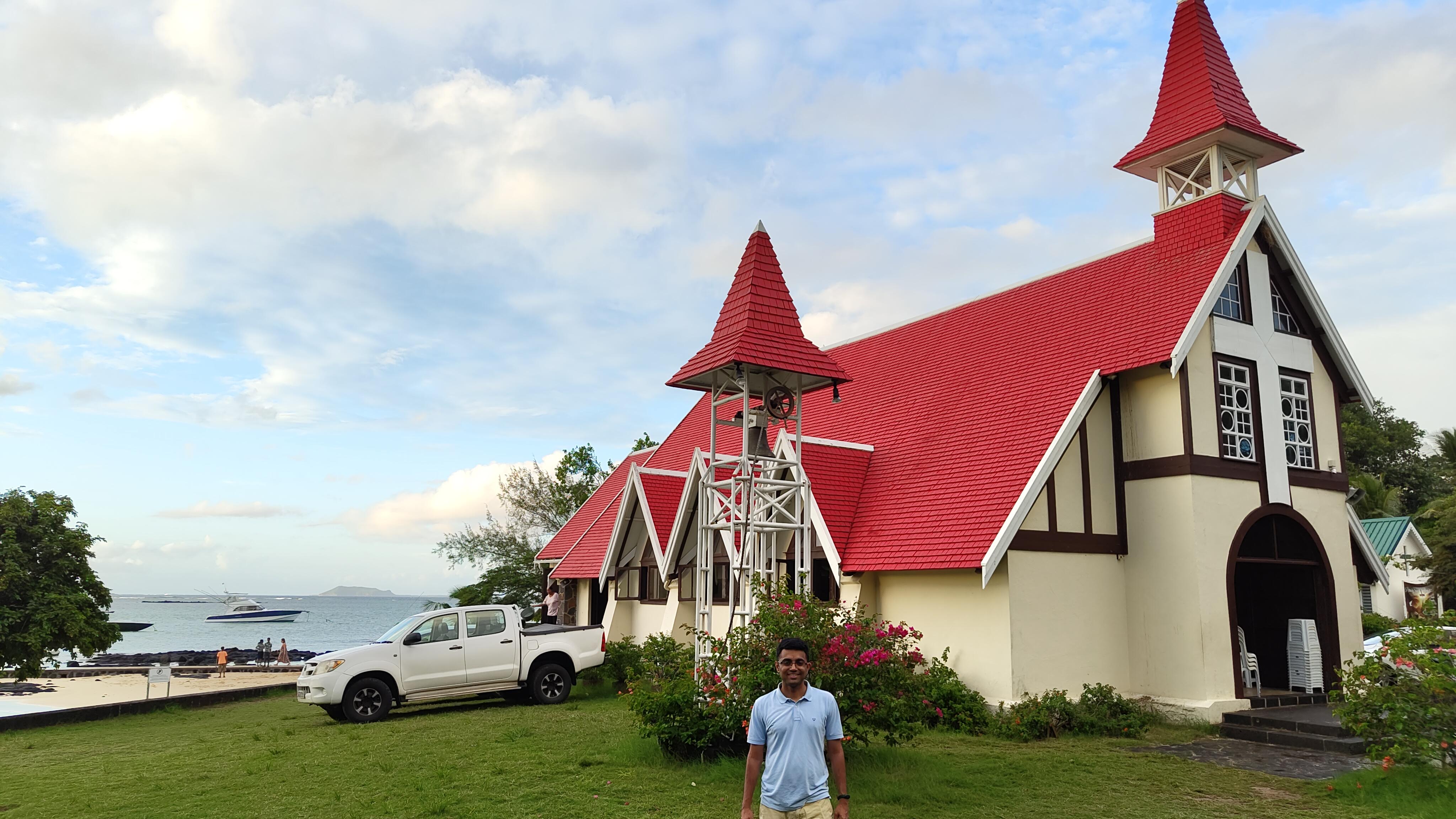
Day 2: Drive to Ile Aux Cerfs (Point Maurice). Read about avoiding the scammy ferry terminal here. Spend the first half of the day enjoying the beach and island walks. Evening at Belle Mare beach and back to Mont Choisy.
Day 3: Visit the Chateau de Labourdonnais and take a tour of the mansion, gardens and rum tasting. Visit the Botanical garden in Pamplemousses. Lunch and afternoon sightseeing in Port Louis with the Central Market, Aapravasi Ghat and Adelaide Fort. Sunset at Trou-aux-Biches beach and back to Mont Choisy.
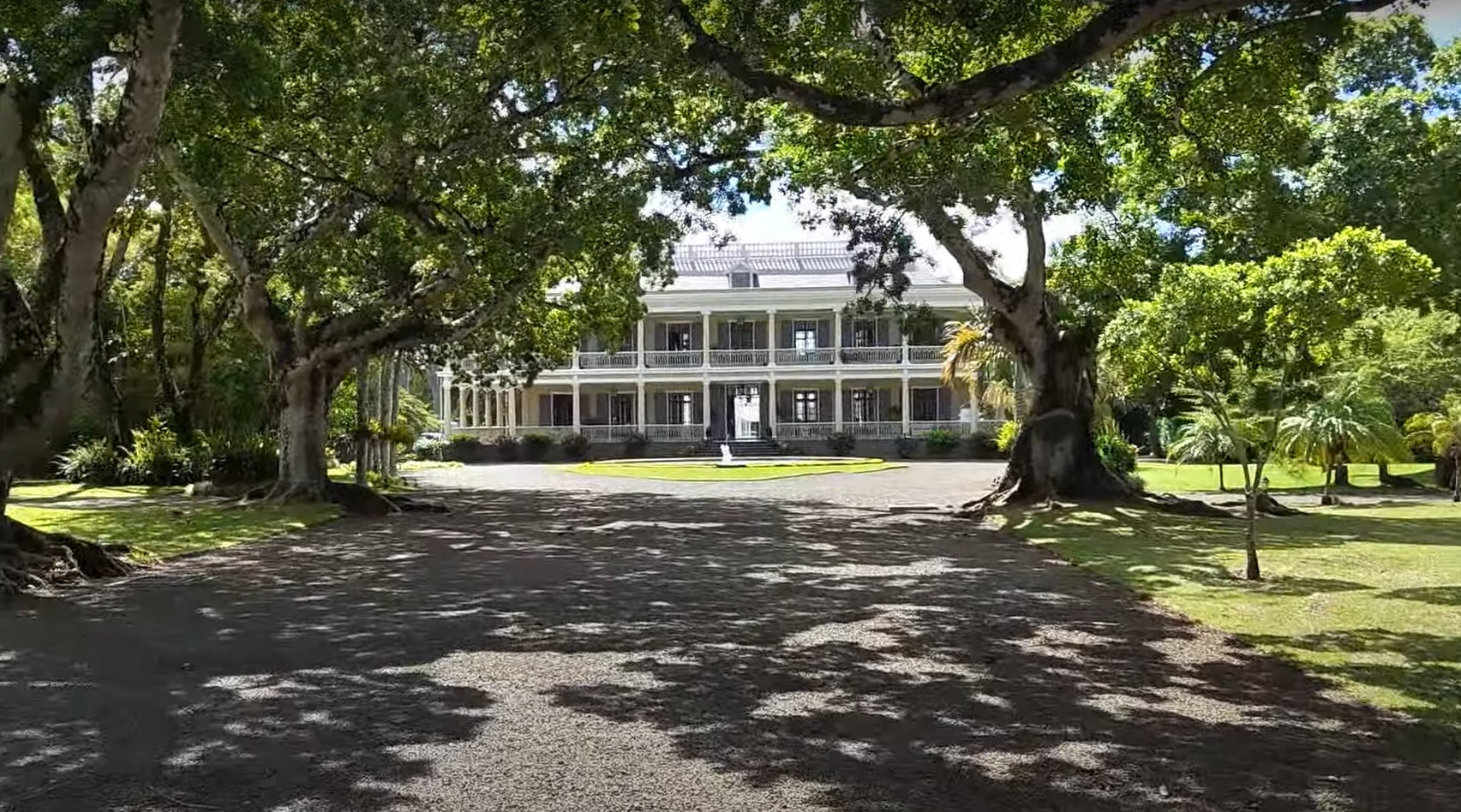
Day 4: Pack up and say bye to Mont Choisy. Have breakfast with giraffes at Casela Nature Park and do a safari. Drive down to Grand Bassin to see the temples at Ganga Talao. Have lunch at Chamarel and visit the Seven Coloured Earths. Check-in to the room at La Gaulette.
Day 5: Drive across the Black River Gorges National Park to the Blue Bay Marine Park. Take a glass-bottom boat ride over the reefs and snorkel to see the huge variety of fish and corals. On the way back, visit the Chamarel Rum distillery and have lunch at the restaurant there. Back to La Gaulette.
Day 6: Early morning drive to Black River town to get on a boat for whale watching. Once back, head to Flic en Flac and spend the rest of the morning and afternoon there. Relax for the rest of the day.
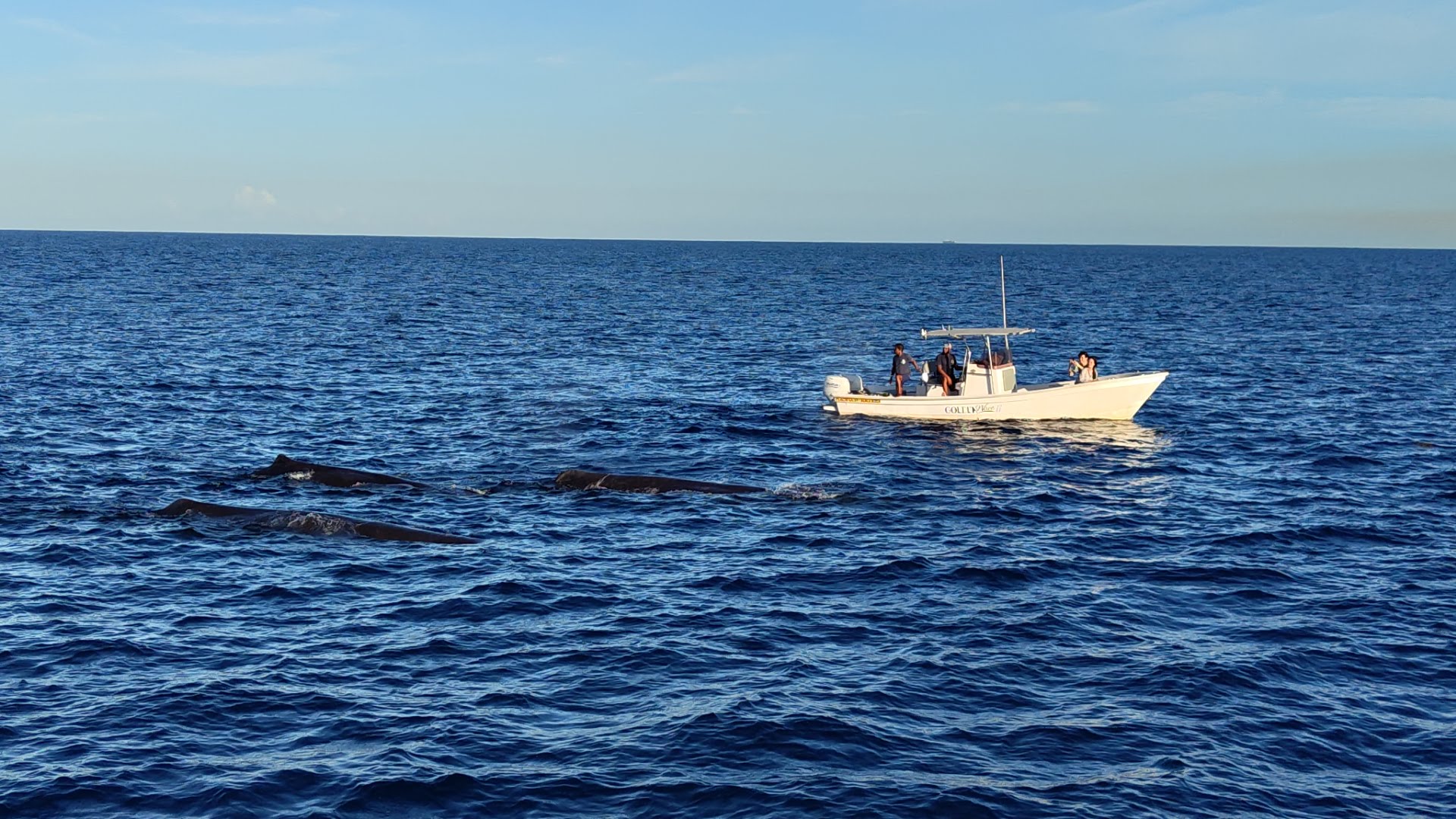
Day 7: Take a seaplane ride at La Prairie beach and get an amazing view of the south of the island. Drive to Tamarin for lunch. Evening at Le Morne beach to wrap up the trip.
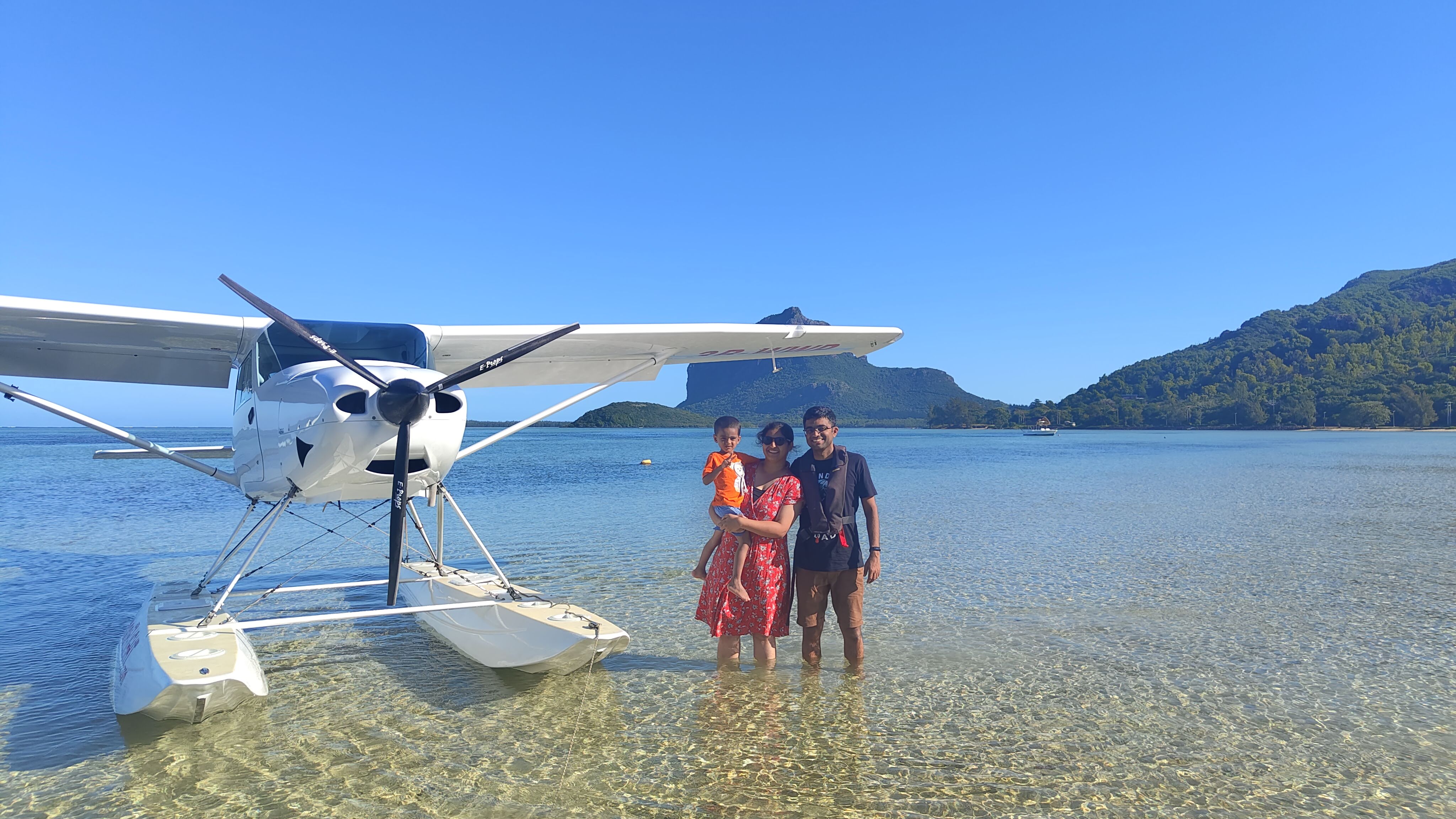
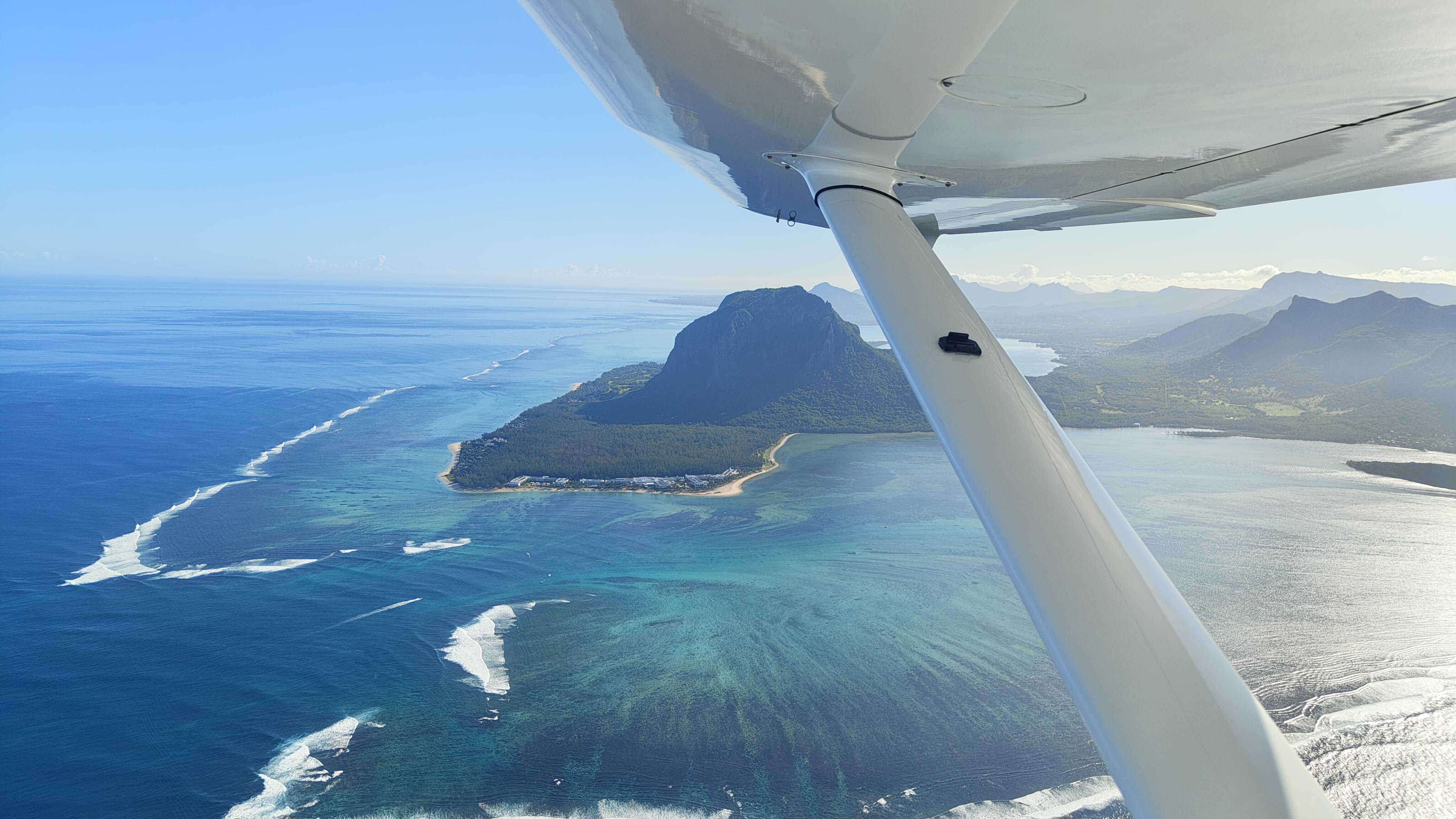
Day 8: Drive back across Black River Gorges National Park to the airport and fly out.
Here are some suggestions to modify your itinerary as required:
The Trek-lover – there are plenty of nice trek options in Mauritius. We had added the Le Morne Brabant for Day 7 in the morning. But our seaplane ride which was originally planned for Day 6 afternoon was cancelled due to bad weather and rescheduled. So we ended up skipping it.
Tip: It’s always good to leave some room for flexibility in your itinerary if you are planning activities like whale watching, scuba diving or seaplanes which are all weather-dependent.
The “Time-is-not-a-constraint” traveller – Spend an extra day on the beaches of your choice. While our itinerary is already slow and relaxed, there is at least one activity that we had planned per day. If you crave those Zero activity days, you can go ahead and add those in.
Planning your Mauritius trip: quick answers
Is Mauritius a good destination for family travel with kids?
Yes – we planned it as a family-friendly itinerary and the pace worked well: easy beach afternoons at Belle Mare and Trou-aux-Biches, a giraffe breakfast safari at Casela Nature Park, and glass-bottom boat trips over the reefs at Blue Bay. The island is small enough (about 2 hours to drive end-to-end) that long transfers were never an issue.
Do you need a rental car in Mauritius, especially if you’re travelling with kids?
Yes – buses run on all routes but their frequency makes it hard to plan a day around kids’ schedules, so a rental car gives you full flexibility. We rented a compact SUV (Toyota Raize) for our group of six through Discover Cars, picked it up right at the airport, and it made getting around effortless.
How many days do you need for a Mauritius itinerary?
We spent 7 days (8 including arrival/departure) and it never felt rushed – the island is small enough that driving its entire length took about as long as a typical daily commute. You could pack the highlights into 3-4 days, but 5-6 lets you spread things out and build in weather buffer days.
What is the best time to visit Mauritius for good weather?
The popular season runs May to December; January to March is cyclone season and best avoided. We went in mid-April, right after the wet season, and got pleasant weather with only a few rainy days that didn’t disrupt any plans.
Do Indians need a visa for Mauritius?
No – Indians get a visa-on-arrival valid for 60 days, which is far more than you’d need since it only takes about 2 hours to drive across the entire island. There’s a form to fill before the immigration queue; QR codes and free WiFi are available at the airport to do it on the spot.
Want this itinerary as a ready pre-trip checklist plus the Magnet Map of every stop, including family-friendly picks? Subscribe and we’ll send both.
This should get you started on your Mauritius itinerary! Check out all the other Mauritius blogs in the links below:
- Mauritius Travel Blog: First Day of Island Life – first sights and sounds and getting the trip started
- Ile Aux Cerfs, a Chateau and Finding Paradise in Mauritius – exploring the northern half of the island
- Breakfast with Giraffes and (not) Swimming with Whales – discovering the variety of wildlife in Mauritius
- Seven Colored Earths and Seaplane rides – the Hidden Gems of Mauritius
5 thoughts on “The Mauritius Itinerary: A Family-Friendly 7-Day Guide”