
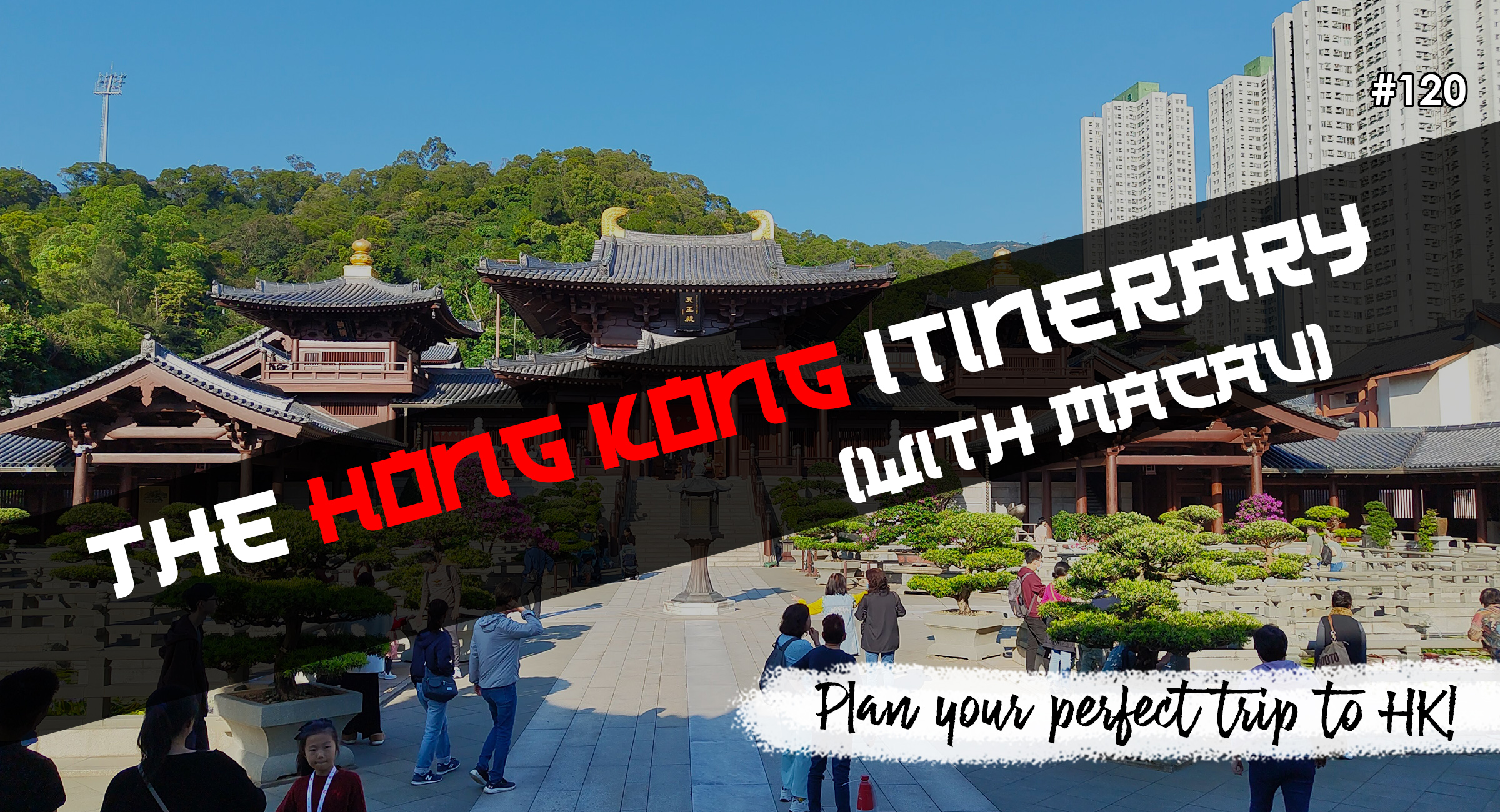
As with all my itinerary blogs, I’ll start this one with the origin story – why did we even make a Hong Kong itinerary?
Nam is a huge fan of Imagine Dragons and she was tracking their latest world tour to see if they would pass by somewhere near India. The closest options were Kuala Lumpur (Malaysia), Singapore and Bangkok (Thailand). All of these places had one thing in common – we could imagine them as being part of a larger trip. Then we saw Hong Kong – a place I’ve always wanted to visit!
It was small enough to cover in 3-4 days and was far enough away from everywhere else that we wouldn’t club it with anything else. Also, a close friend of mine lived in Hong Kong and I hadn’t met him in some time. Enough reasons to pick that as the destination! We bought tickets on Viagogo and got started with trip planning!
Hong Kong is a special administrative region of China. In 1997, it was handed over by the UK to China after their 99-year lease expired. Given its strategic location in the Asia-Pacific region, it evolved from a fishing village to one of the financial capitals of the world (like New York and London). It is also blessed with one the deepest natural maritime ports in the world – it ranks among the top ports in the world in terms of activity.
The word Hong Kong means “fragrant harbour” referring to the incense that used to be traded here.
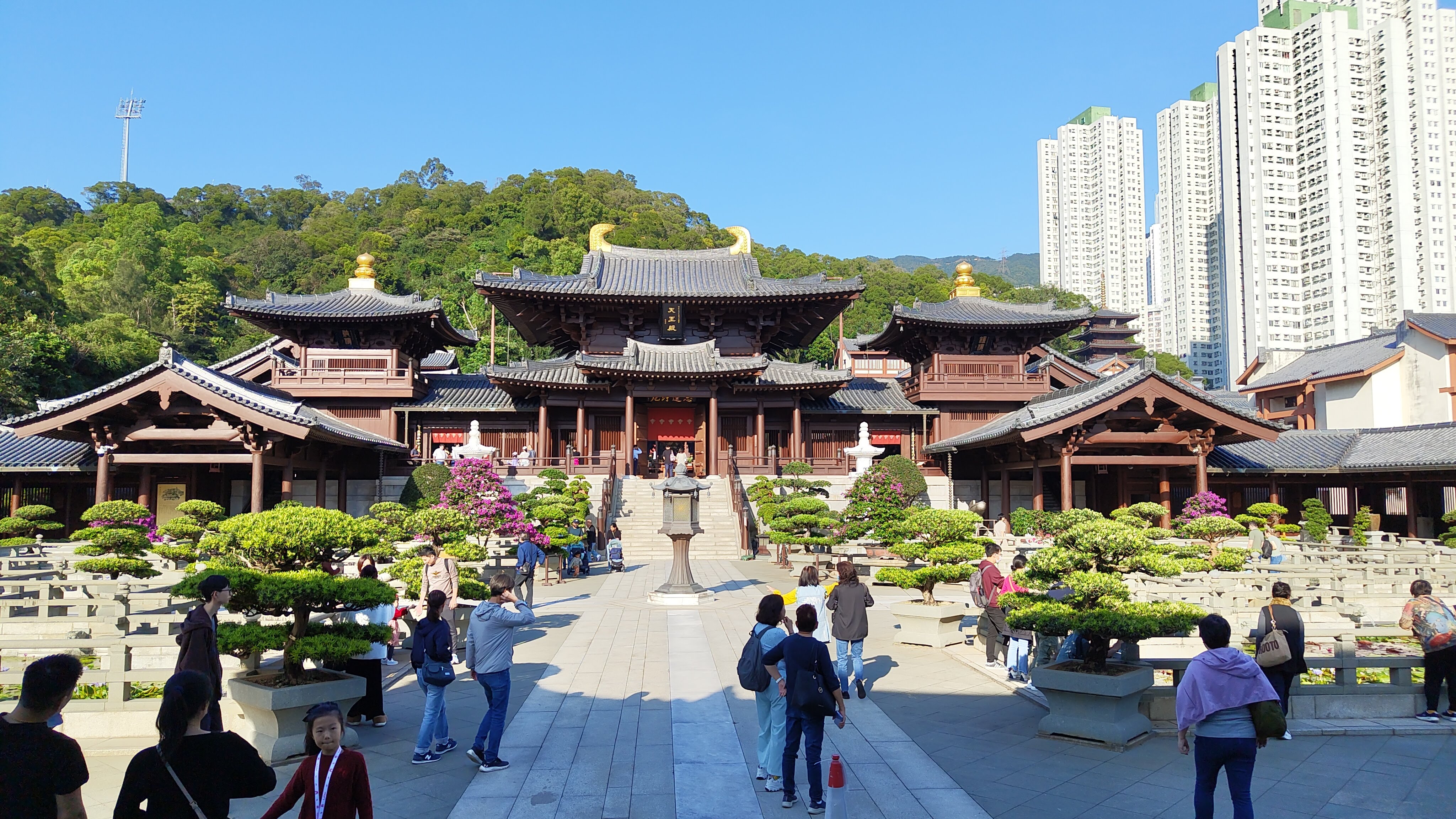
Hong Kong has the highest number of skyscrapers in the world with the number standing at above 550. The definition of a skyscraper is that the building should be taller than 150 m. The region is also the 4th most densely populated in the world. Enter the contradiction – over 75% of land is not used for development and is covered by dense green cover. This can also be found in the heart of the city – we’ll explore these places in later blogs.
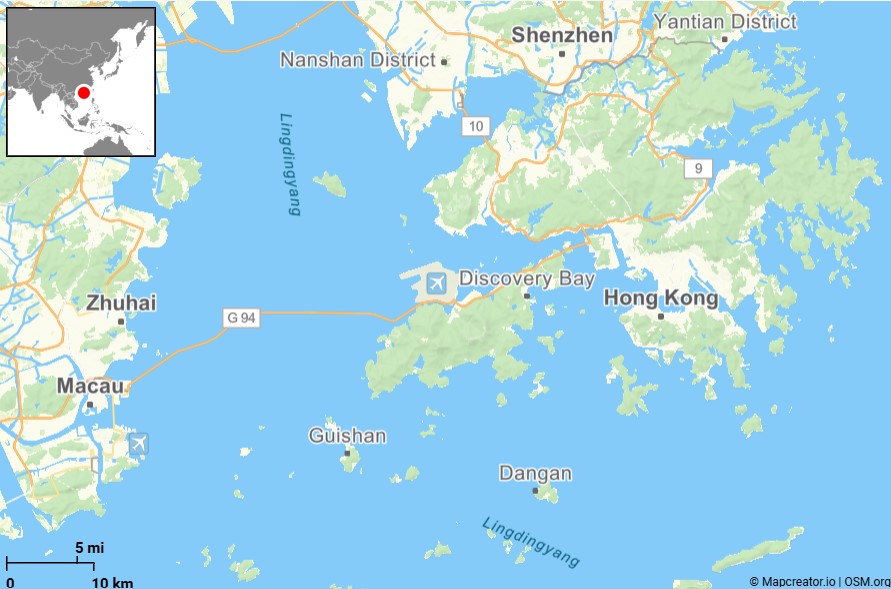
On the north of Hong Kong is the Silicon Valley of China, Shenzhen (the third most populous in China) and Macau which lies to its west in the South China Sea.
Macau is a former Portuguese colony and feels like a bit of Europe planted in China. It is a unique experience as well and something that we were also looking forward to.
I was particularly excited about this trip because of the food and culture. I had never been to China before and Hong Kong would be a perfect fusion of China and a typical global city. This is also the trip where both Nam and I realised that we were both “city-people” – people who are more excited about travelling to cities.
Trip Snapshot
| Duration | 4 days (we recommend 3-4 in HK + 1-1.5 in Macau — call it 4-5 days total) |
| When we visited | First week of December 2024 |
| Best season | Nov-Jan — cool and dry; avoid May-Oct (heat, humidity, typhoons) |
| Route | Lantau Island → Hong Kong Island → Macau (day trip) → Kowloon |
| Getting there | Fly into Hong Kong Intl (Chek Lap Kok); Macau via ferry (Turbojet/Cotai Water Jet) or bus over the sea-bridge |
| Travelled as | Couple |
This is our full Hong Kong and Macau itinerary from the 4 days Nam and I spent hopping between Lantau’s Big Buddha, Hong Kong Island and a day trip to Macau in December 2024.
This blog contains:
Best time to plan your Hong Kong itinerary
Hong Kong has erratic weather that is often dictated by the random typhoons that hit the area. November to January is considered a relatively better period to travel – the weather is cool and relatively dry.
Avoid May to October as it can get really hot and humid and typhoons are also frequent.
We travelled in the first week of December and got amazing weather throughout the trip with a maximum of 24-25 degrees and minimum of 17-18 degrees. Cool but with sunshine – the perfect combination to walk and explore the city!
Getting to Hong Kong
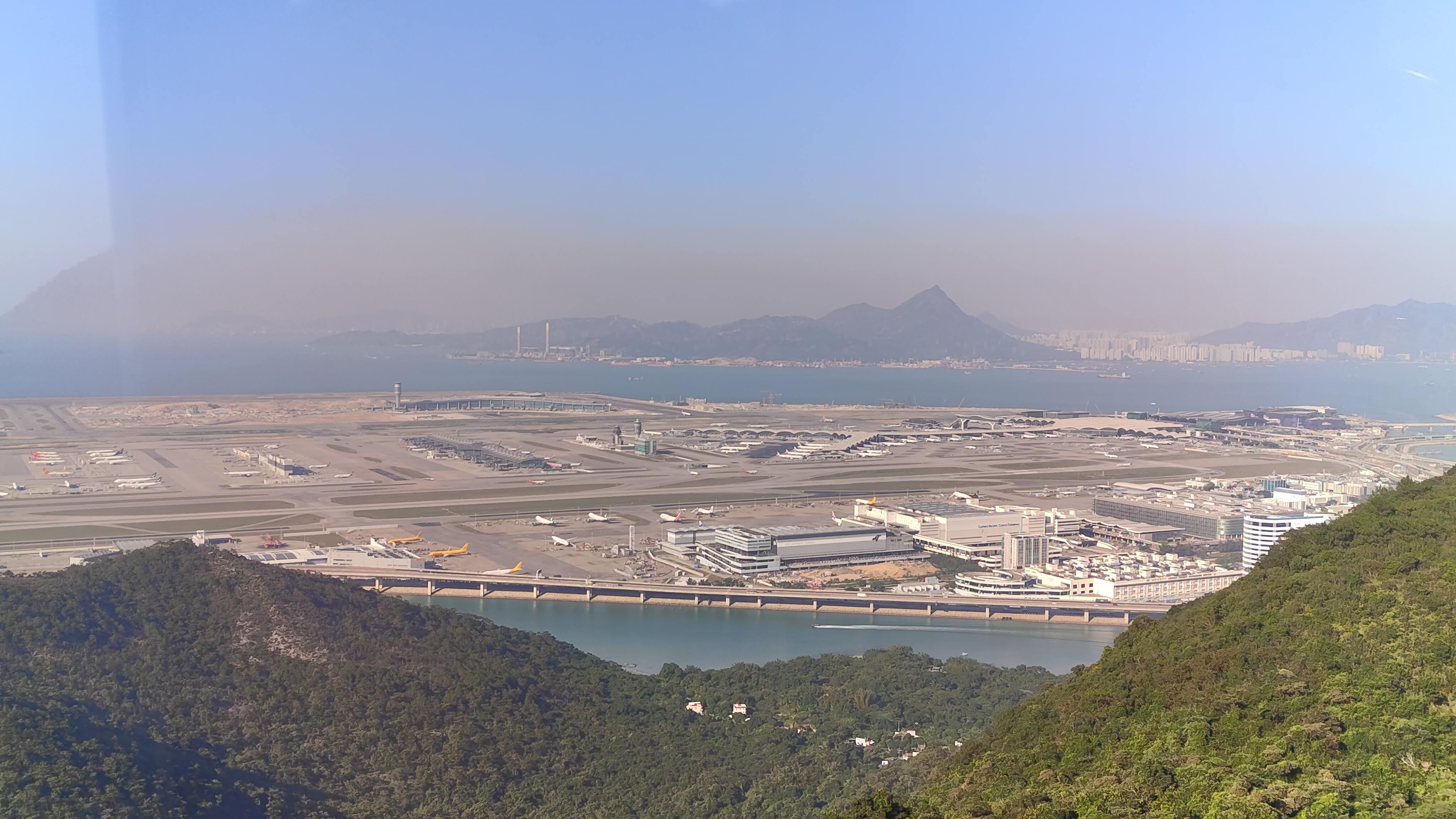
This one is pretty straightforward – enter via Hong Kong’s international airport in Chek Lap Kok. It is quite far from the city but the metro and bus connectivity is really good. It would be possible to cross from Shenzhen and take a train but the border paperwork is best avoided.
Getting to Macau
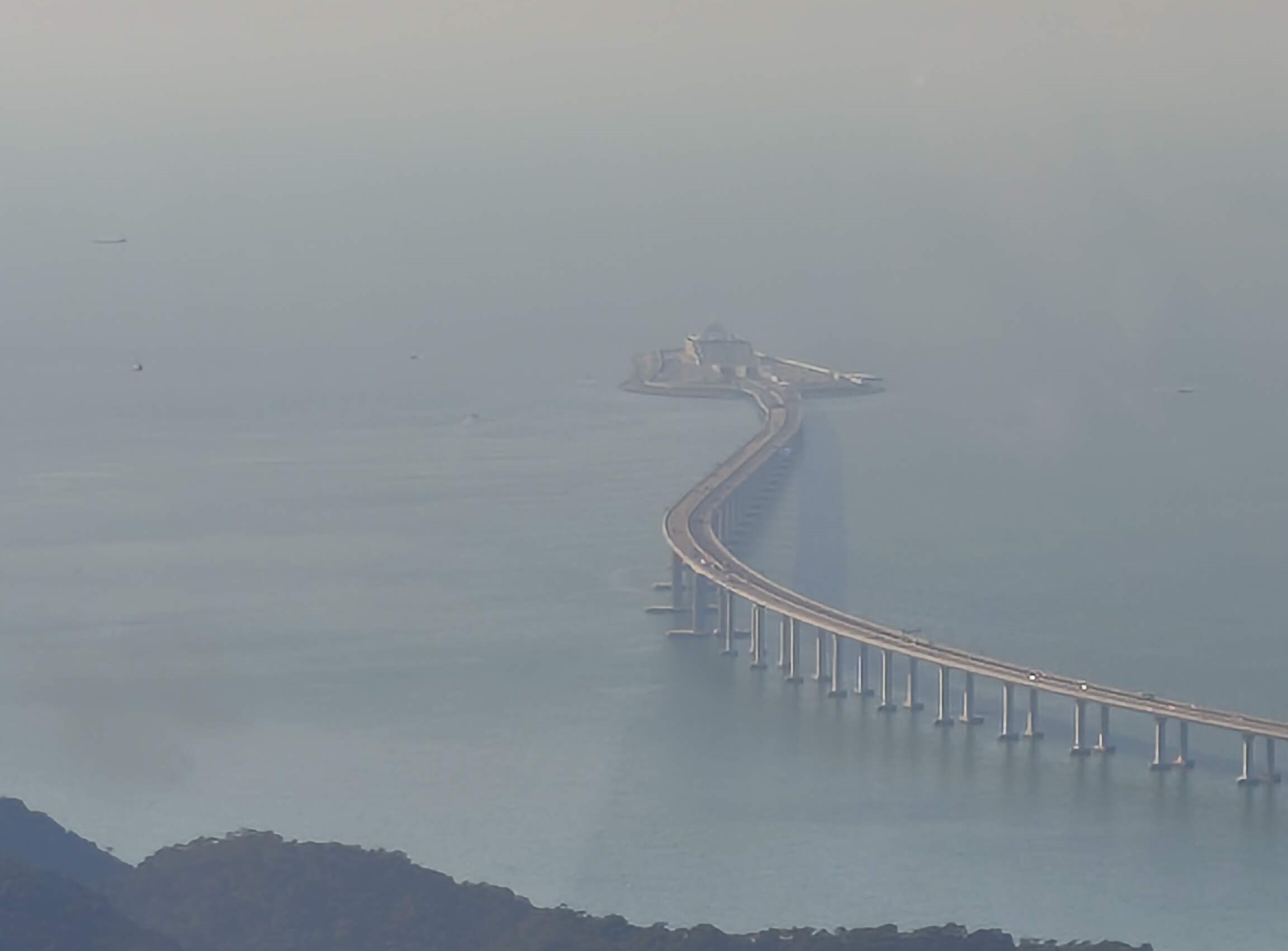
Macau has an international airport of its own. People with the single-minded focus of playing at the casinos can directly head there. It is also convenient to get there by ferry from Hong Kong and Zhuhai. There are 2 ferry companies which you can take from Hong Kong to Macau – Turbojet and Cotai Water Jet. If you prefer the bus, that is also an option – you will get to go over the sea-bridge connecting Hong Kong and Macau.
Pro tip: Check out Klook for offers on the ticket prices.
Visa – Hong Kong
Indians need to get a Pre-Arrival Registration (PAR) done before entering Hong Kong. This can be done easily on the official website. The form needs to be printed on an A4 sheet (DO NOT MISS THIS STEP!) before you get on your flight from India. Also, the details need to be exactly the same as your passport.
For example, if “Place of Issue” says “Bangalore” and you mention “Bangalore, Karnataka” or “Bengaluru”, you may not be allowed entry. I use the word “may” here because it depends on the immigration officer you get. Make sure you triple-check this and get it checked with someone else so that you don’t have a bad travel experience.
Another piece of advice – always carry the PAR form if you are travelling to any of the border areas or going to Macau. We learnt this the hard way and got caught at the immigration counter on the way back from Macau. That’s a story for another blog!
Visa – Macau
Citizens of many countries do not need a visa to enter Macau. You can check the list of countries here. Indians do not need a visa to enter Macau.
Currency
Hong Kong uses the Hong Kong Dollar (HKD). At the time of writing this, 1 HKD = 10.9 INR = 0.13 USD. It would be ideal to convert your currency in the city at currency exchange counters. The rates at the airport are quite bad – so only convert enough to get to the city.
One question we get asked very often is which currency we usually carry while travelling. We always prefer to carry USD as it is easiest to convert to local currency everywhere in the world. The only exception is Europe where we prefer to carry the Euro directly.
Macau’s currency is called the Macanese Pataca – the value is very close to the HKD. HKD is accepted everywhere and you don’t need to convert to the local currency if you have enough HKD.
Local travel – Hong Kong
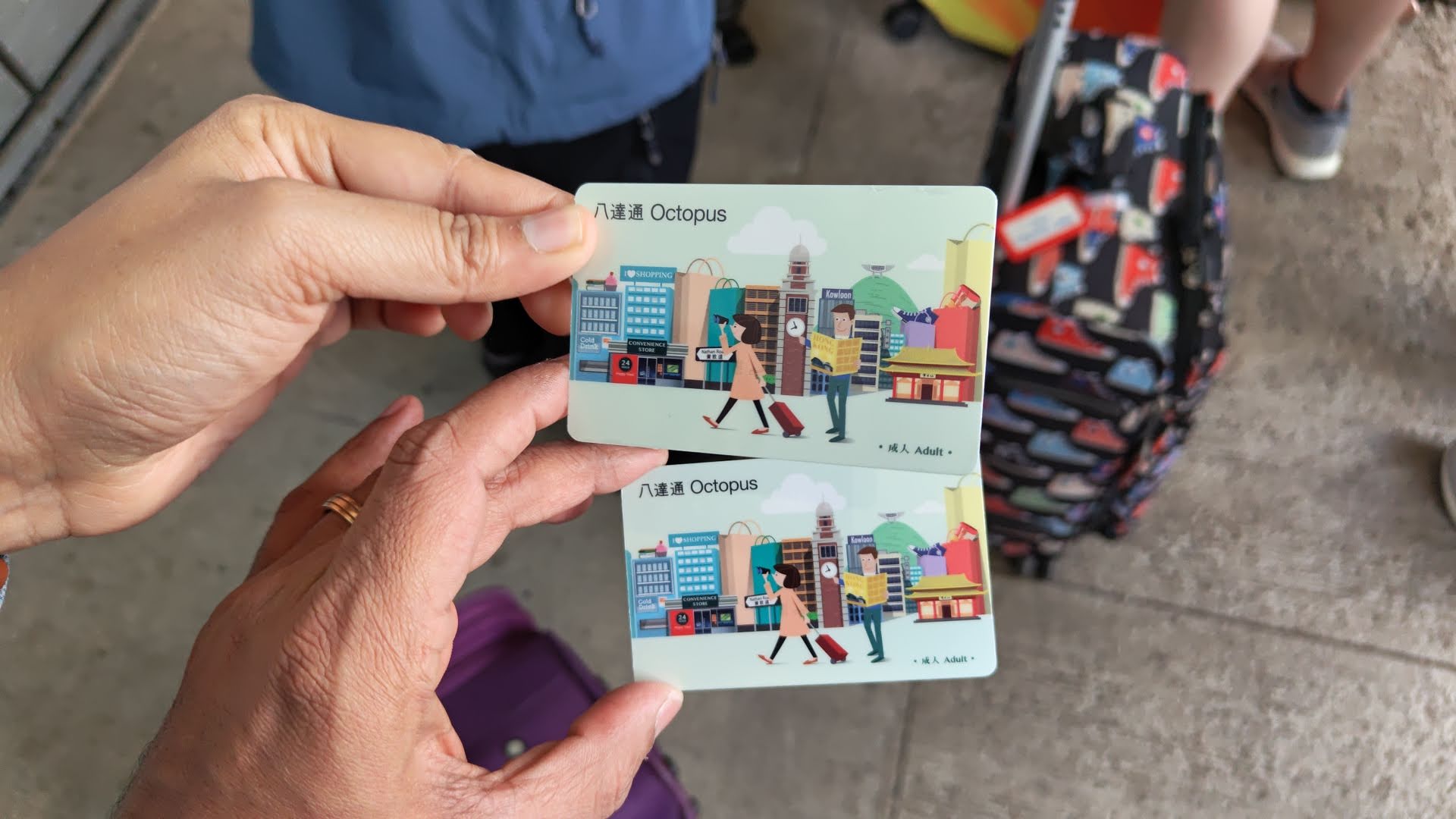
Public transport in Hong Kong is amazing. Every place is well connected by metro, tram (ding-ding) and bus. Between the islands there are regular ferries. All you need to do is get an Octopus card as soon as you land at the airport. Keep loading it and exploring the city.
Another factor to be highlighted is that Google Maps is horrible in Hong Kong. It is somewhat accurate but it does quite a poor job in identifying which street you’re on even with the GPS on. So, planning your local travel using Google Maps is not recommended. The preferred map app is Citymapper.
The local SIM would come in real handy – we would recommend the SoSIM card for this which you can pick up at multiple locations.
There are also maps and route details at every bus stop and metro station which do a splendid job in navigating through the city. If you’re really stuck late at night and cannot figure out your way, just take an Uber.
Local travel – Macau
Macau has buses connecting all the main areas and the ferry terminals. It was a bit tricky to figure this out as we did not have a working SIM card – the Hong Kong SIM wouldn’t work in Macau as it was a different region. So, we completely relied on the bus maps and offline maps to make our way around the city.
Macau has its own payment card for public transport. But if you’re doing a 1 day trip, it may be a better idea to just use cash. The prices are fixed at 6 HKD per person for 1 ride. You need to drop the coins into a box next to the driver when you board the bus. Make sure you have exact change – since it is a dropbox, there won’t be any money given back.
How many days to spend in your Hong Kong itinerary
Ah! The toughest question of them all! Our recommendation is to spend at least 3-4 days in Hong Kong and 1-1.5 days in Macau. That makes it a total of 4-5 days. This is excluding any excursion you may want to add like Disneyland or Ocean Park. There are different parts of the city that you can really immerse yourself into without realising the passage of time. Now it’s time to get into our itinerary!
Our Hong Kong itinerary
We had a rather short trip as compared to our own recommendation above. It was our first trip without Parth and we really wanted to rush back home. But we believe we managed to cover a lot of the amazing places in both Hong Kong and Macau.
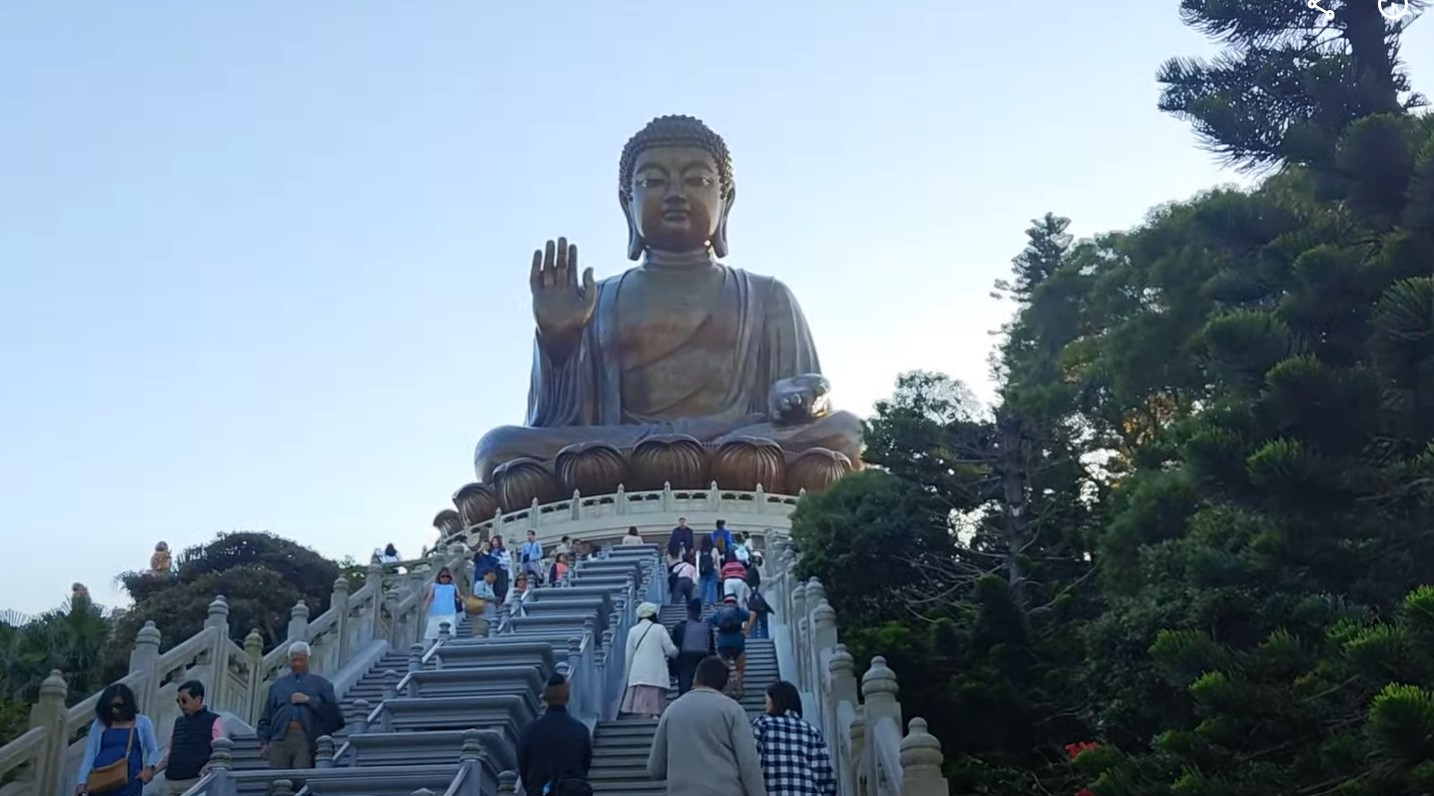
Day 1: Arrive in Hong Kong by 12 noon. Take a bus to Tung Chung bus station. Leave luggage at the lockers in Citygate outlets. Take the Ngong Ping 360 cable car ride (Crystal cabin – learn why in the next blog!) and explore Ngong Ping village and Po Lin monastery. Hike up to the Wisdom Path and visit the giant Tian Tan Buddha. If time permits, visit the fishing village of Tai O. Head to Hong Kong island for dinner and night stay.
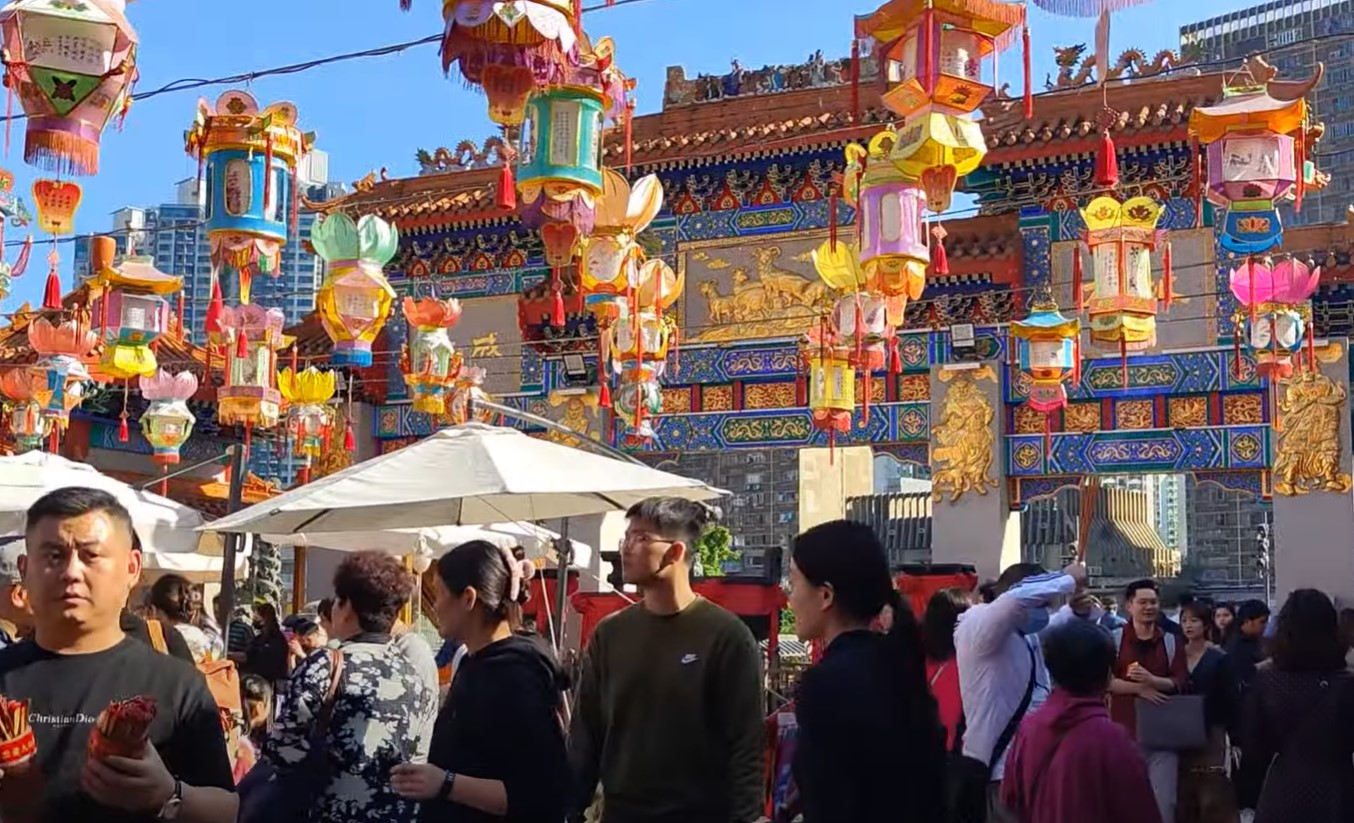
Day 2: Hike up to Victoria Peak, grab breakfast at Mak’s Noodle at the Peak. Take the Peak tram down to the city, explore Hong Kong Park and the Aviary. Take a Ding-Ding tram for a ride through the Wan Chai area. Have lunch at Sister Wah’s beef brisket. Take a cultural trip to the Sik Sik Yuen Wong Tai Sin temple and Chi Lin nunnery. Walk along the Avenue of Stars. Visit the AsiaWorld Expo near the airport for a concert. Pick up dinner at a late night Lebanese joint.
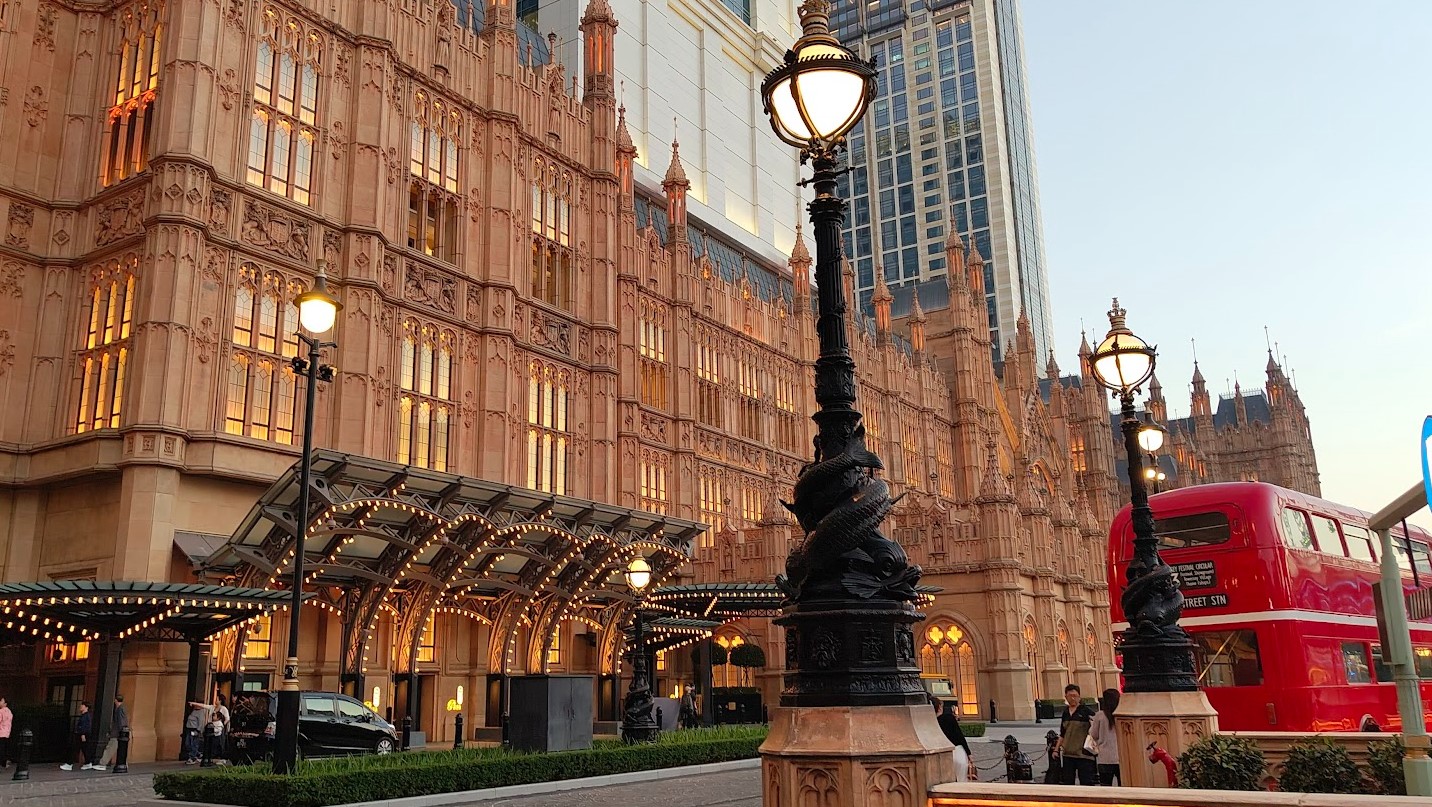
Day 3: Eat breakfast and take a ferry to Macau. Explore the Portuguese town area by taking a walk from Senado square to the ruins of St. Paul. Take a bus to the A-Ma temple and then cross the bridge to Taipa. Walk along the Taipa houses, grab some egg tarts and pork chop buns. Explore the casinos – we went to the Venetian and Londoner. Experience the Harry Potter world inside the Londoner. Ferry back to Hong Kong and shop at the Temple Street Night Market. Have dinner at one of the Dai Pai Dongs.
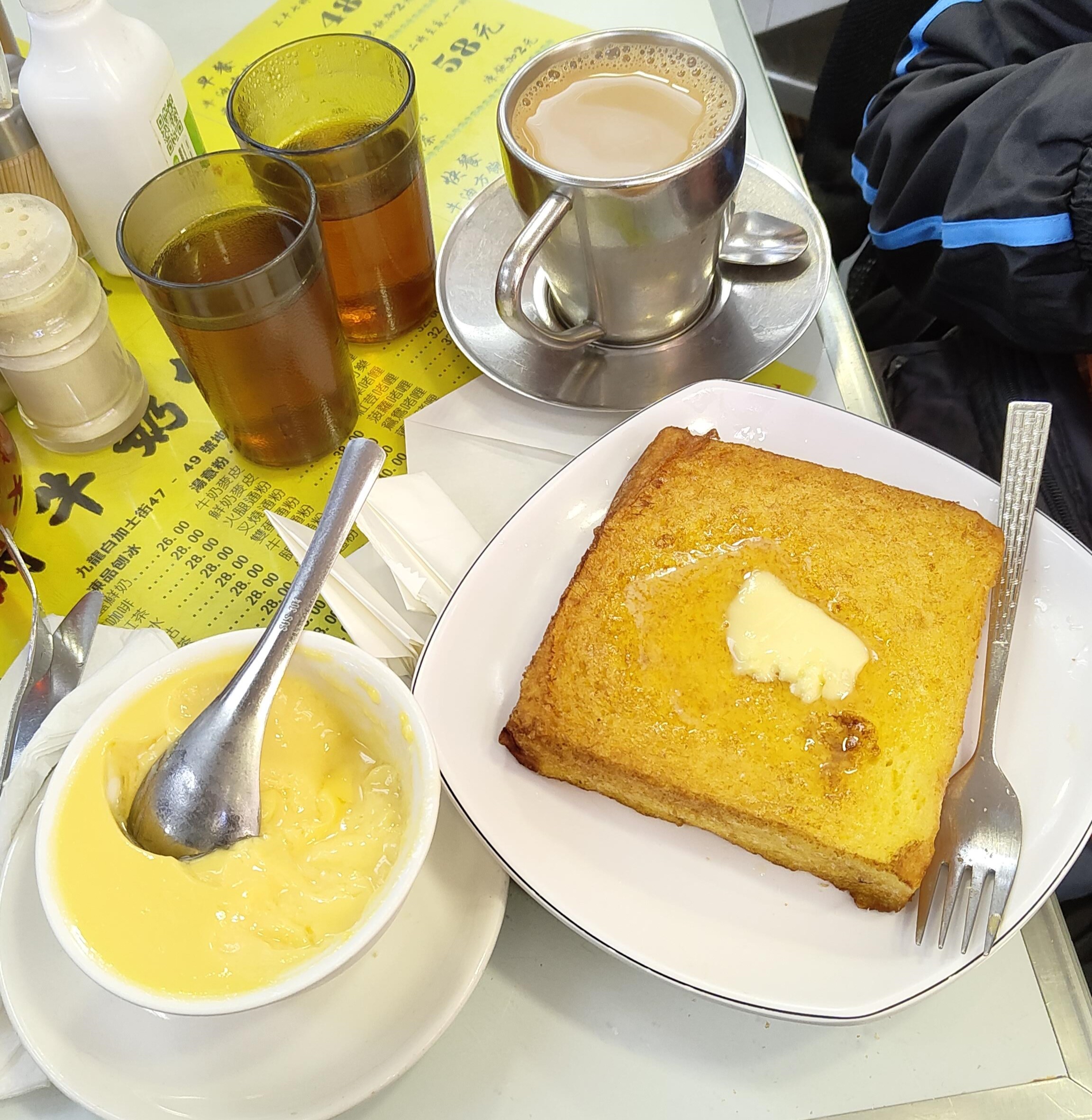
Day 4: Head to Australia Dairy Company for breakfast. Explore the markets around Mong Kok. Grab lunch at Ding Tai Fung and take the Airport Express back to the airport for the flight back home.
Here are some suggestions to modify your itinerary as required:
The Trek-lover – in addition to the Victoria peak trek, there are many others you can try out. For example, you can trek all the way up to Ngong Ping on Lantau island – the trail passes right below the cable car for most of the way.
The “Time-is-not-a-constraint” traveller – spend an entire day in Lantau island. Explore more of the Kowloon side. Go shopping in Wan Chai and explore the Causeway Bay. Go to Disneyland and Ocean Park. Explore more eateries. Spend a night in Macau and watch the city lit up at night.
This should get you started on your Hong Kong itinerary! Check out all the other Hong Kong blogs in the links below! You can also check out the previous blog where I wrote about my experience of planning this trip using AI and my recommendations on how to use AI for trip planning.
Hong Kong and Macau itinerary: quick answers
How many days do you need for a Hong Kong itinerary?
We’d recommend at least 3-4 days in Hong Kong and 1-1.5 days in Macau — call it 4-5 days total. We did it all in 4 days on our own trip since we wanted to get back home quickly.
Do Indians need a visa for Hong Kong?
Not a traditional visa — you complete a free Pre-Arrival Registration (PAR) online, print it on A4, and every detail has to match your passport exactly (even “Bangalore” vs “Bangalore, Karnataka” can trip you up). Carry the printed form on you at all times — we got stopped at immigration on the way back from Macau for not having it.
Do Indians need a visa for Macau?
No, Indians can enter Macau visa-free. Just keep your Hong Kong PAR form on you when crossing back — Macau border checks it too.
When is the best time to visit Hong Kong?
November to January — cooler, drier weather. Avoid May to October, which brings heat, humidity and frequent typhoons. We travelled the first week of December and had 17-25°C with sunshine the whole trip.
Is Google Maps reliable for getting around Hong Kong?
Not really — it struggled to identify which street we were on even with GPS on. Citymapper is what locals and visitors actually rely on; an Octopus card plus a local SIM (we used SoSIM) covers transport and connectivity.
Want this itinerary as a ready pre-trip checklist plus the Magnet Map of every Hong Kong and Macau stop? Subscribe and we’ll send both.
- The Hong Kong Itinerary (with Macau) – plan your perfect trip to HK!
- Lantau Island Hong Kong – Day 1 of the HK Trip
- Hong Kong’s Urban Oasis – Peaks & Parks
- Incense and Neon – Hong Kong’s culture
- East Meets West – the Macau Mosaic
- Feast for the Senses – the Hong Kong Foodie

10 thoughts on “4-Day Hong Kong and Macau Itinerary: First-Hand Tips”