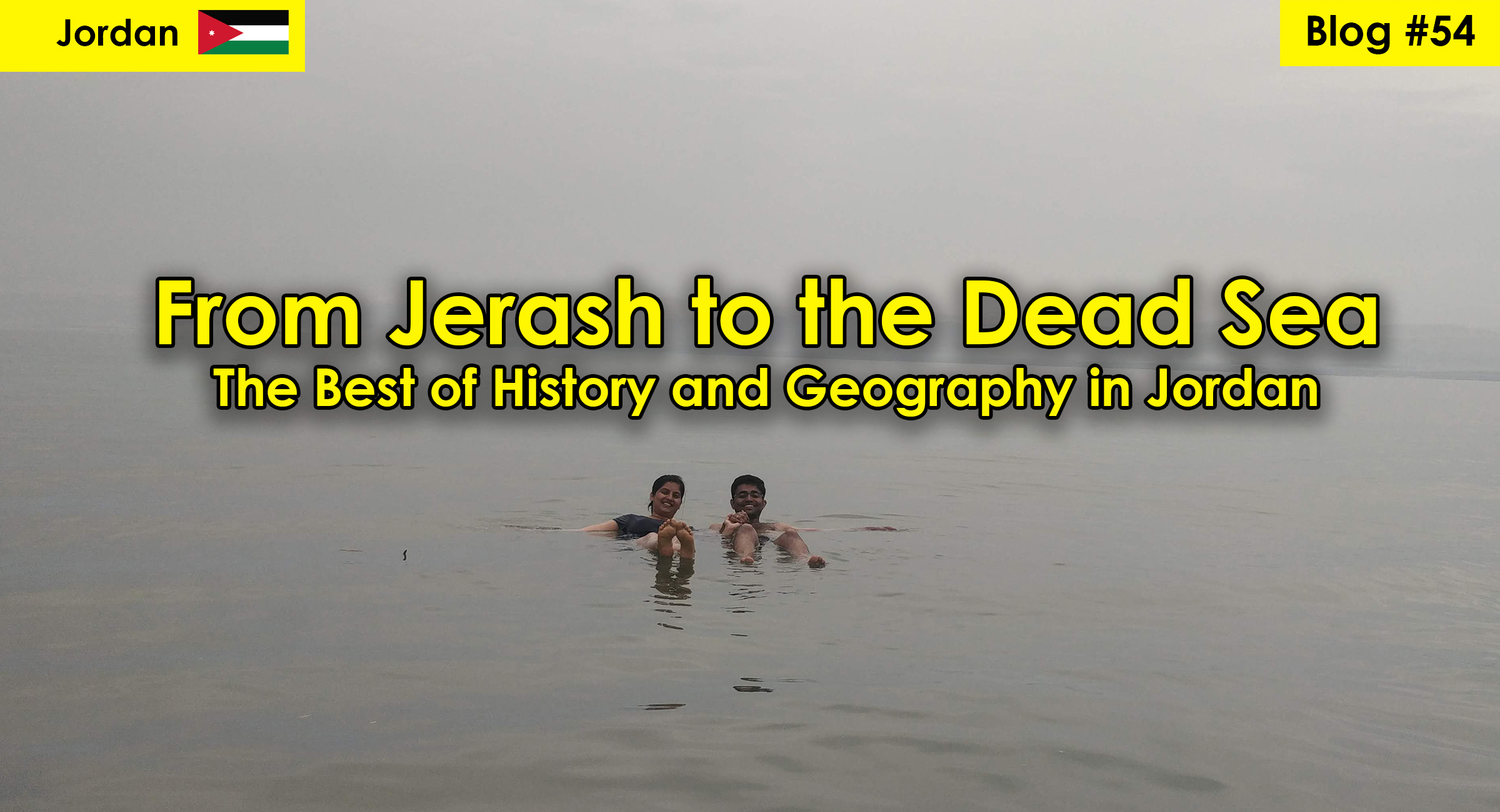
This Dead Sea Jordan story starts at the Roman ruins of Jerash and ends with us floating, weightless, in the saltiest water we’ve ever touched.
Jordan is a history-lover’s paradise. With its location at the crossroads of Asia, Europe and Africa, Jordan is indeed a melting pot of history and cultures. Archaeological remains dating back to 10000 years ago have been unearthed here.
It is also religiously significant – being situated in the Levant region (with Syria, Lebanon, Israel and Palestine as neighbours) – there are many sites of religious significance here. It is also home to the Dead Sea. Let’s explore some of these places.
A Greco-Roman City – Jerash
On our first day in Jordan (complete itinerary here), we visited Jerash – one of the most well-preserved Greco-Roman cities in the world. It is situated north of Amman – a one-hour drive. The city, originally known as Gerasa, was an important point in the trade route of the region. It flourished for centuries – its decline started when sea routes started gaining prominence. A major earthquake in the year 749 destroyed much of the city.
Our driver, Ameen, got us the entry tickets and saw us off at the gate. Make sure you have some comfortable shoes on – it’s a long walk exploring the ancient city. The entrance is via a large gateway called the Hadrian’s Arch. Inside, spread across a large area, you can find:
- A hippodrome
- A circular plaza outlined with pillars
- Temples of Zeus and Artemis
- A colonnaded street
- A Byzantine church
- Theatres
- A Nymphaeum.
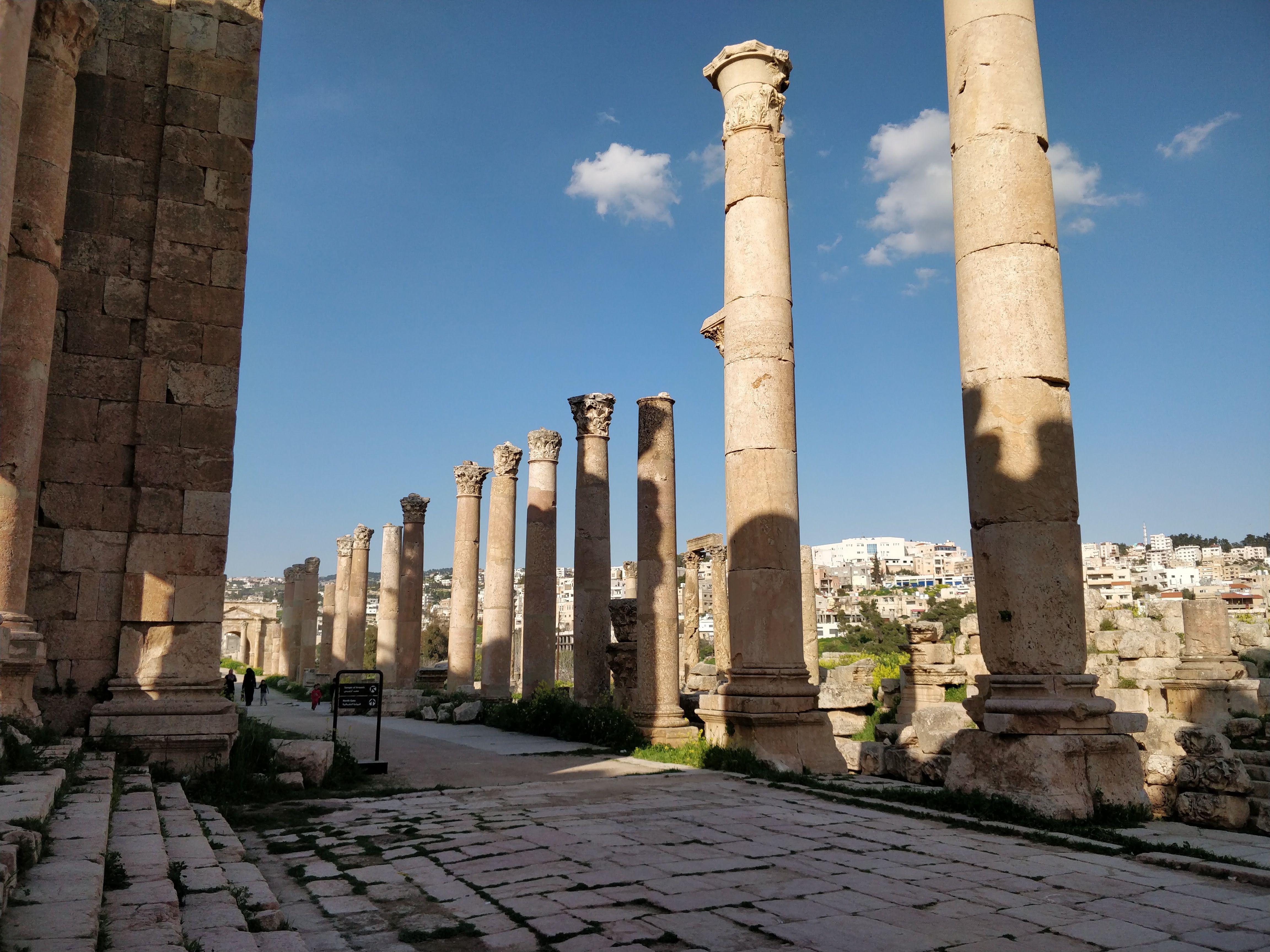
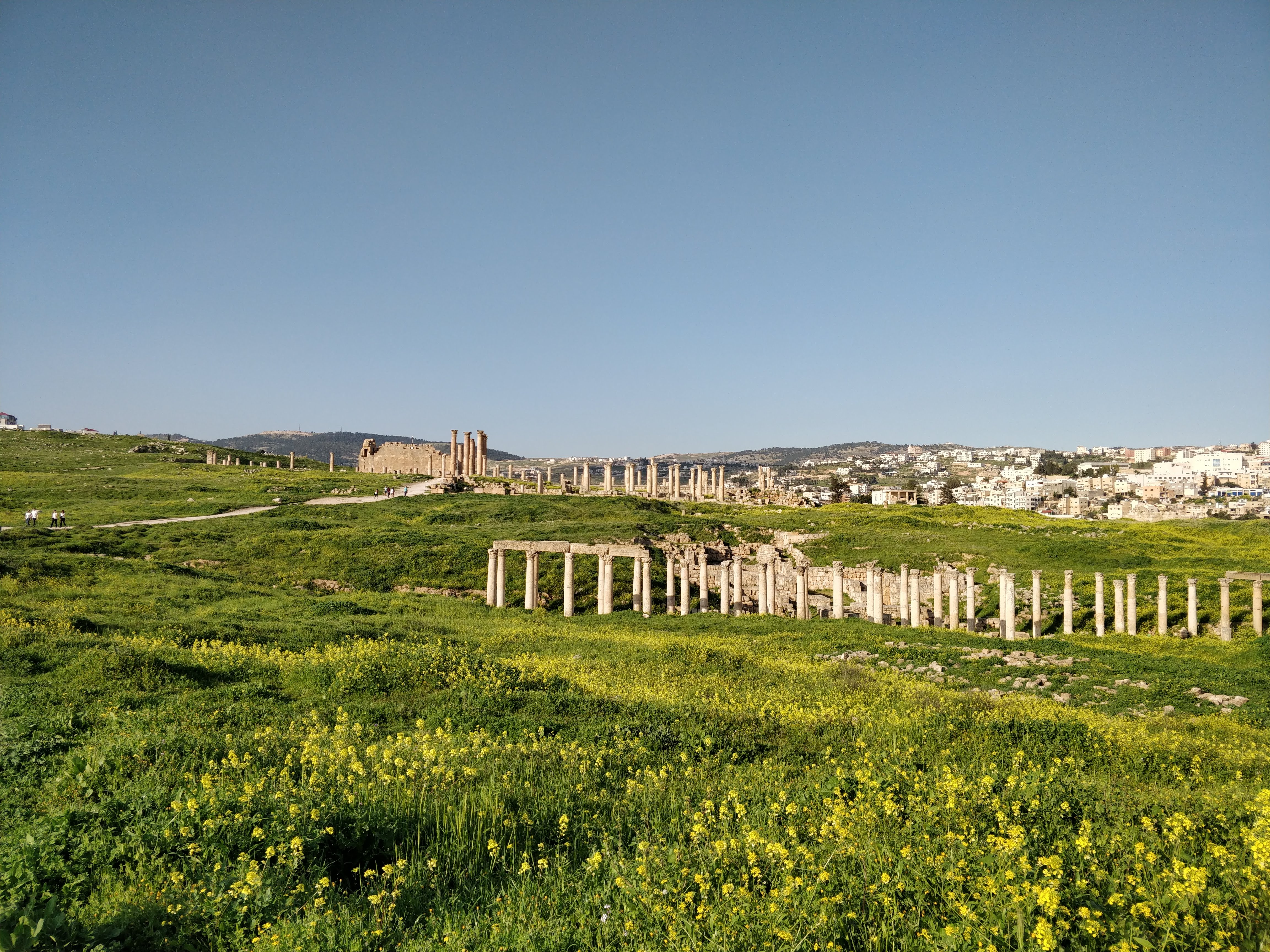
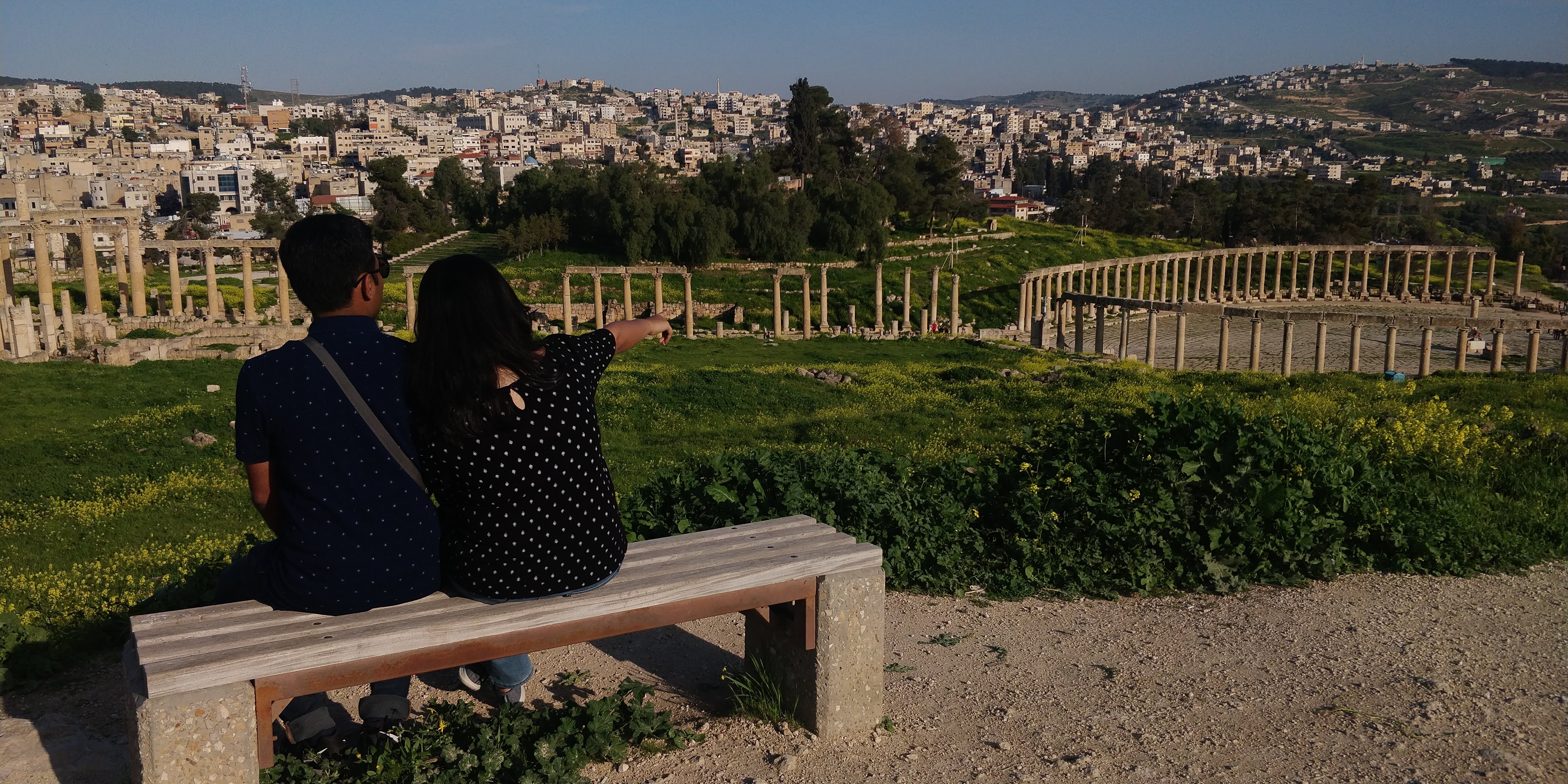
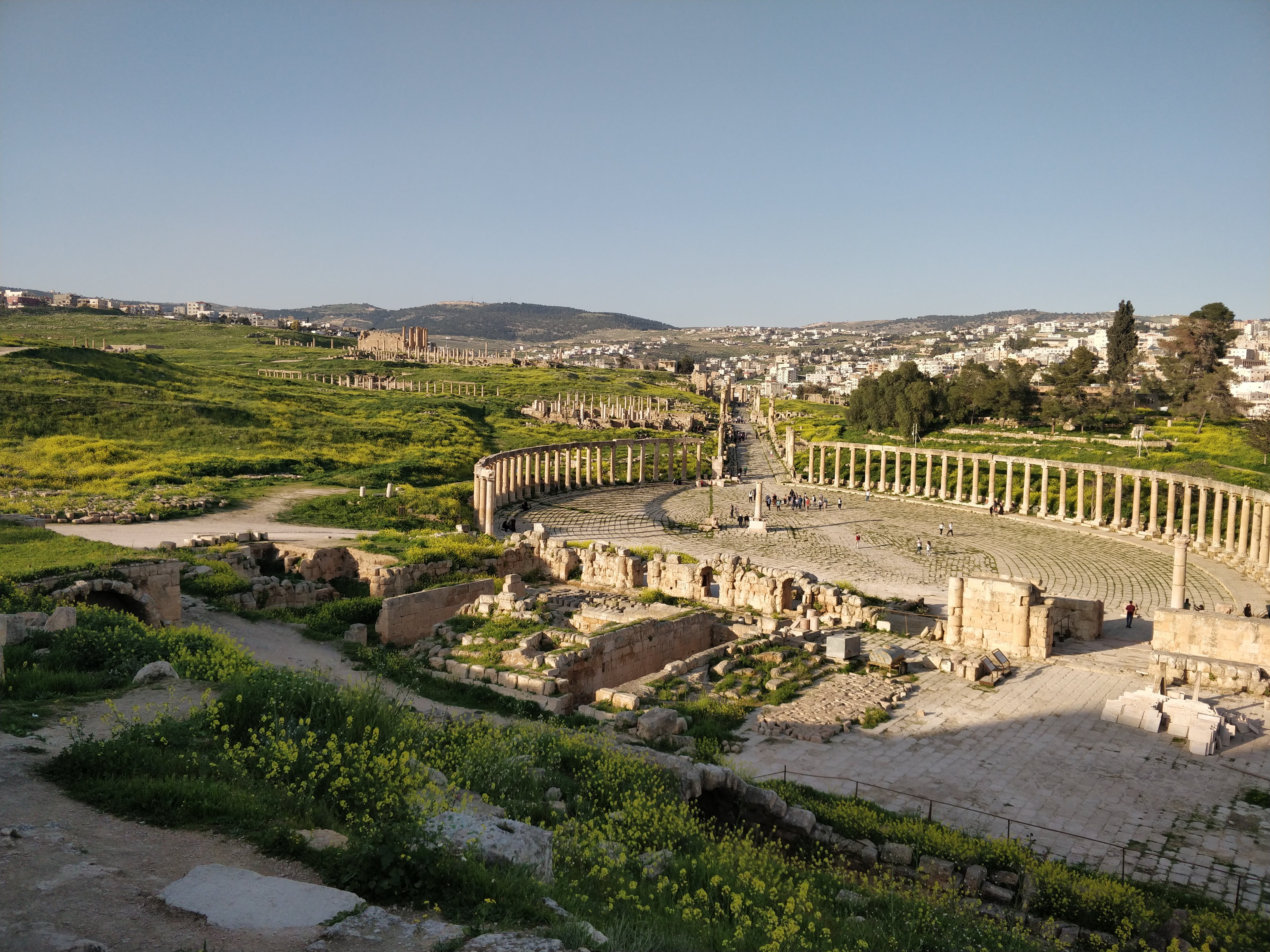
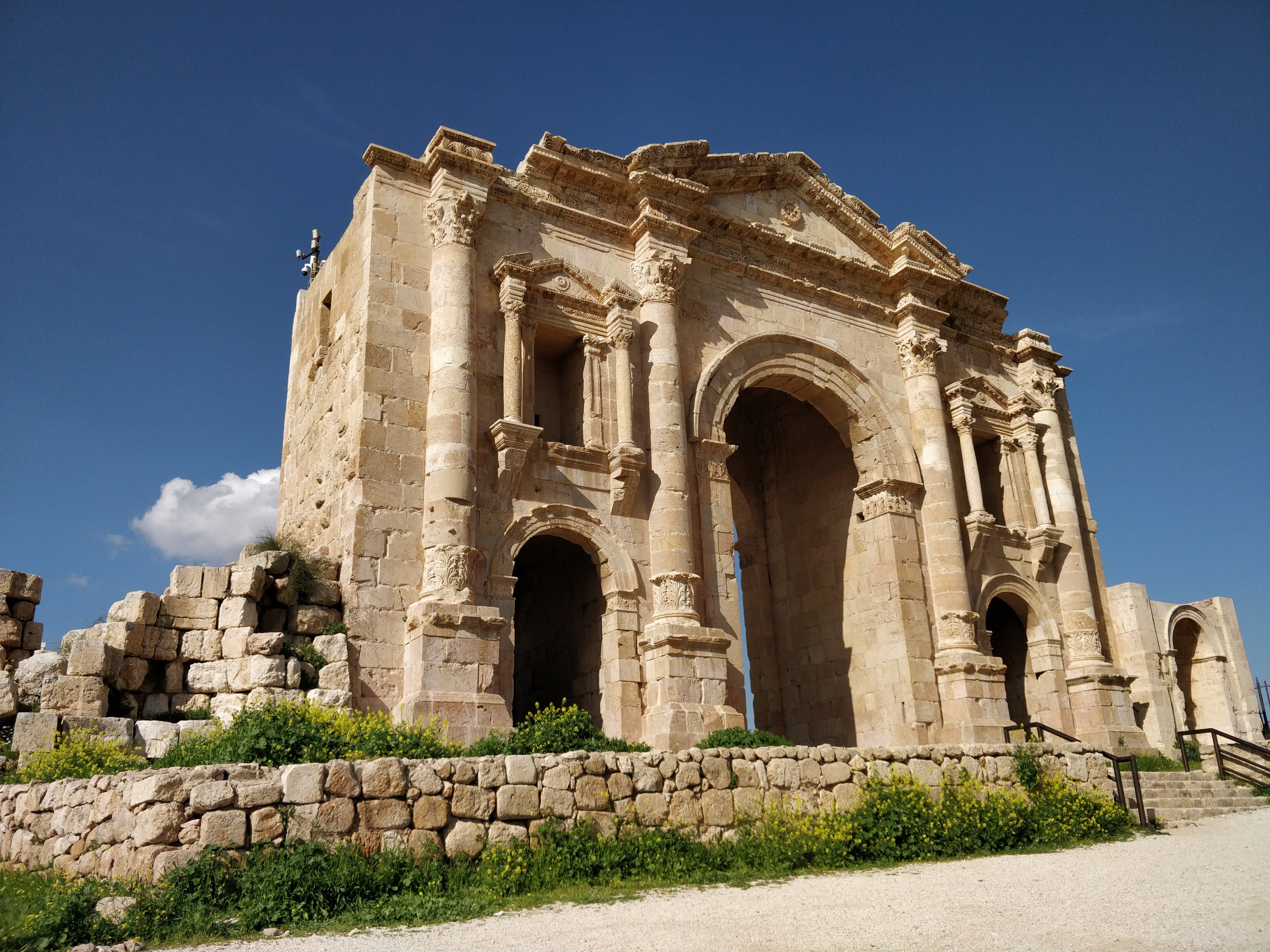
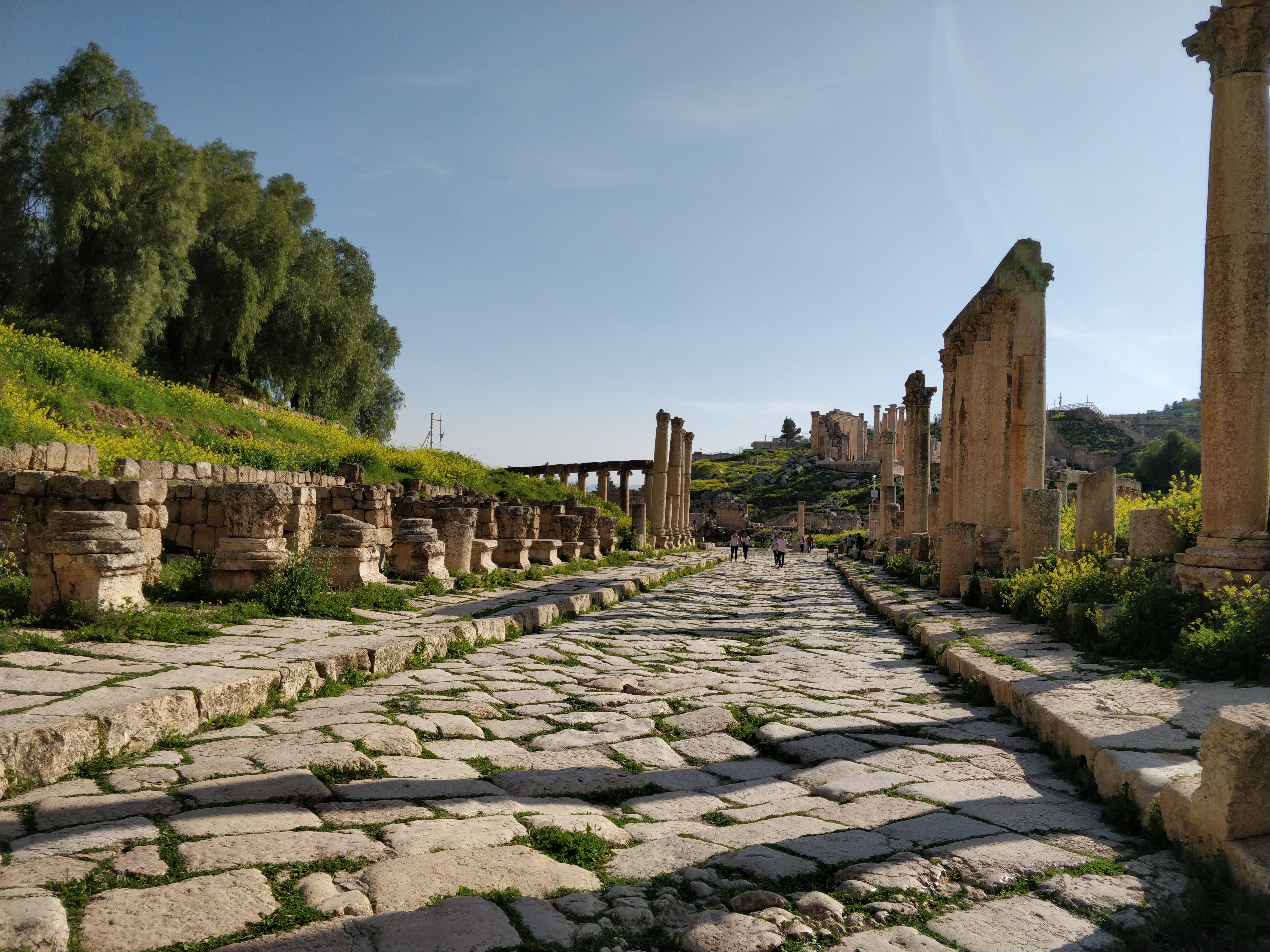
Walking through the colonnaded street was one of the highlights – the stones which formed the street were the same on which people walked centuries ago. There were even marks left by chariot wheels! As we were visiting in March, the valley was a lush green and beautiful – the panoramic view of the city was amazing. We spent around 2-3 hours here before heading back to Amman.
The Place Where Moses saw the Promised Land – Mt. Nebo
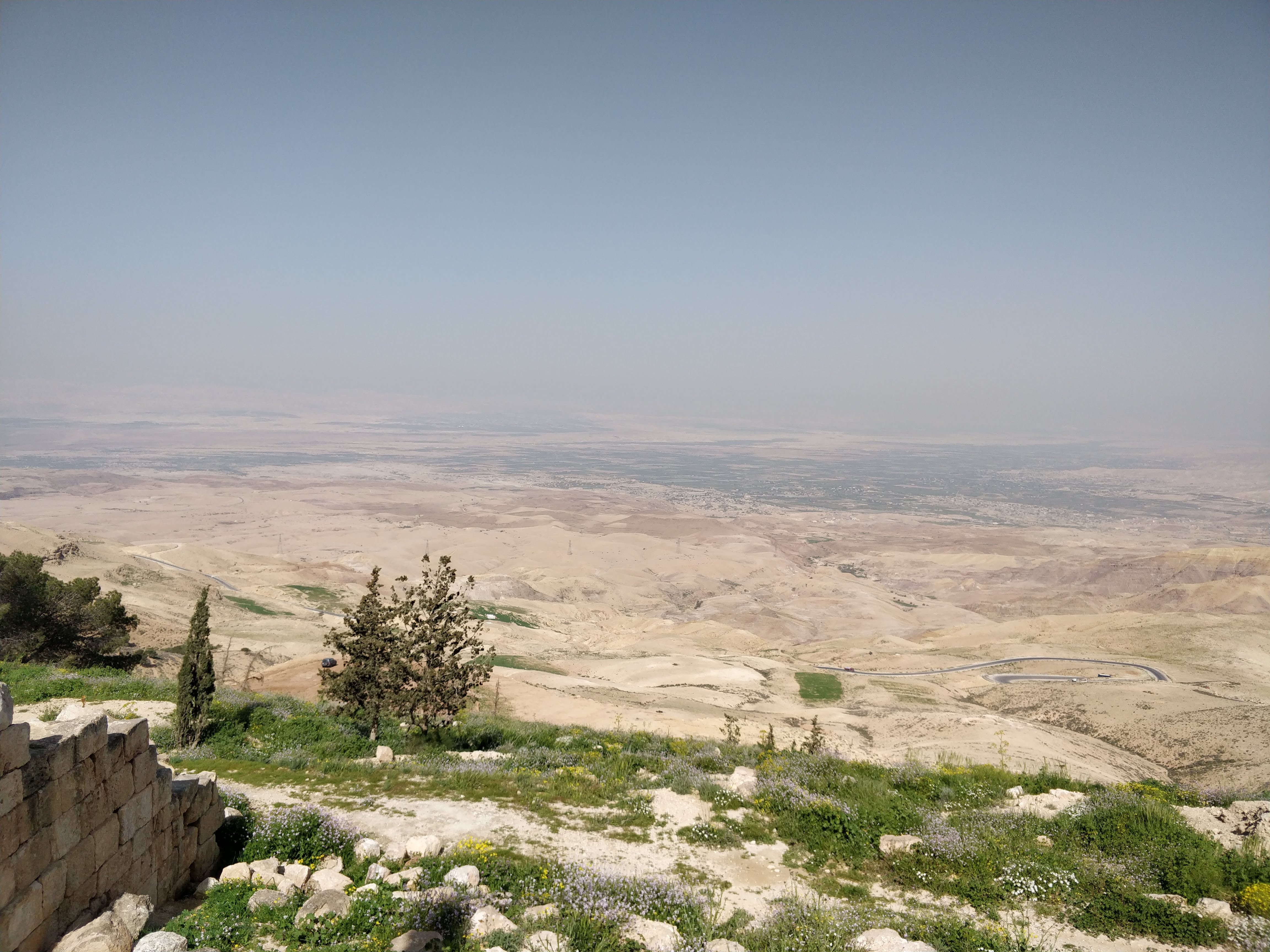
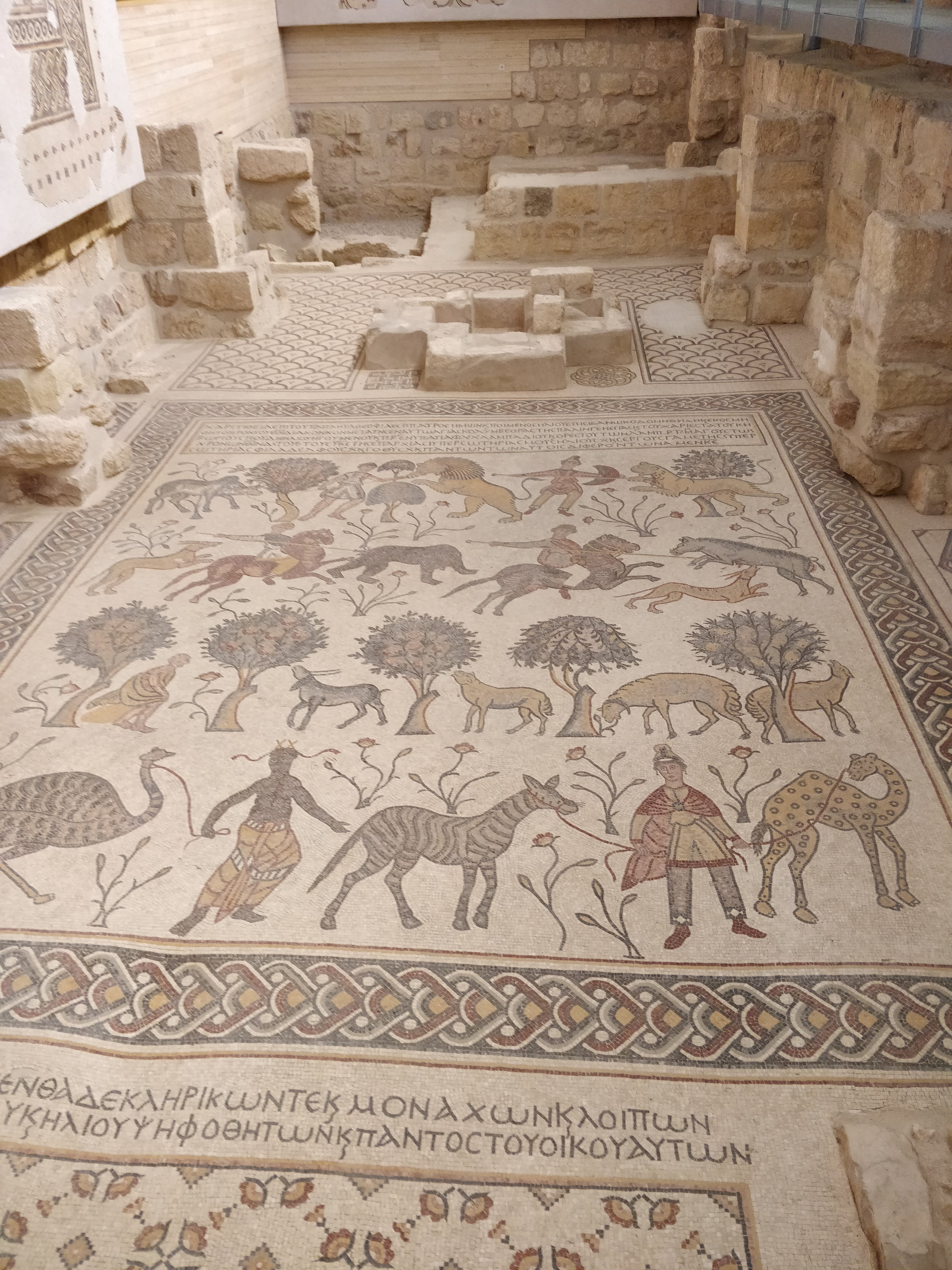
Our first stop on Day 2 was Mt. Nebo. A one-hour drive from Amman took us to the historic hilltop where Moses is said to be buried. It is said that Moses was granted a view of the Promised Land from here. On a clear day, you can see Jerusalem on the other side of the valley. We visited the church there – it had some really amazing mosaic floors.
The Mosaic City of Jordan – Madaba
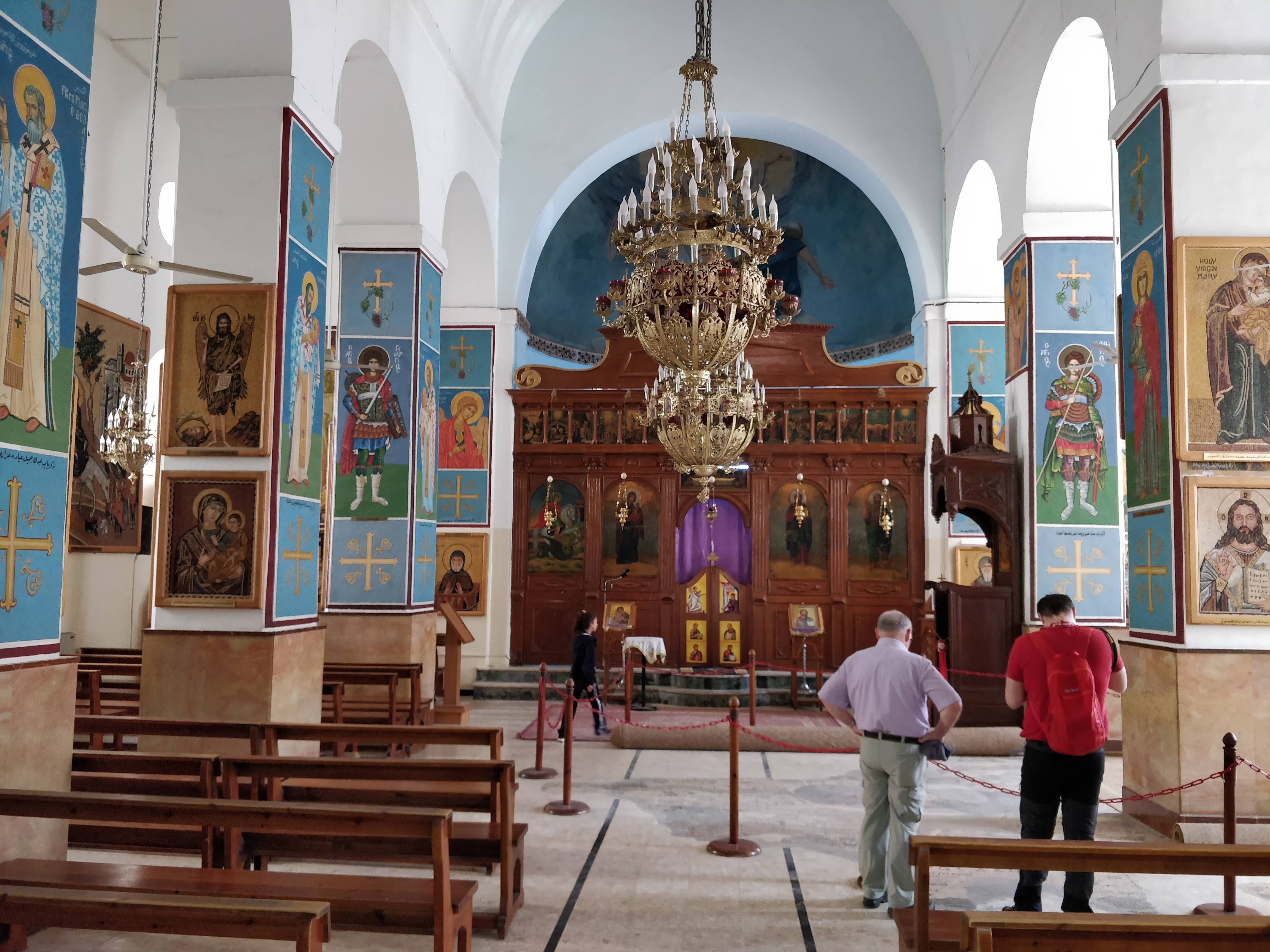
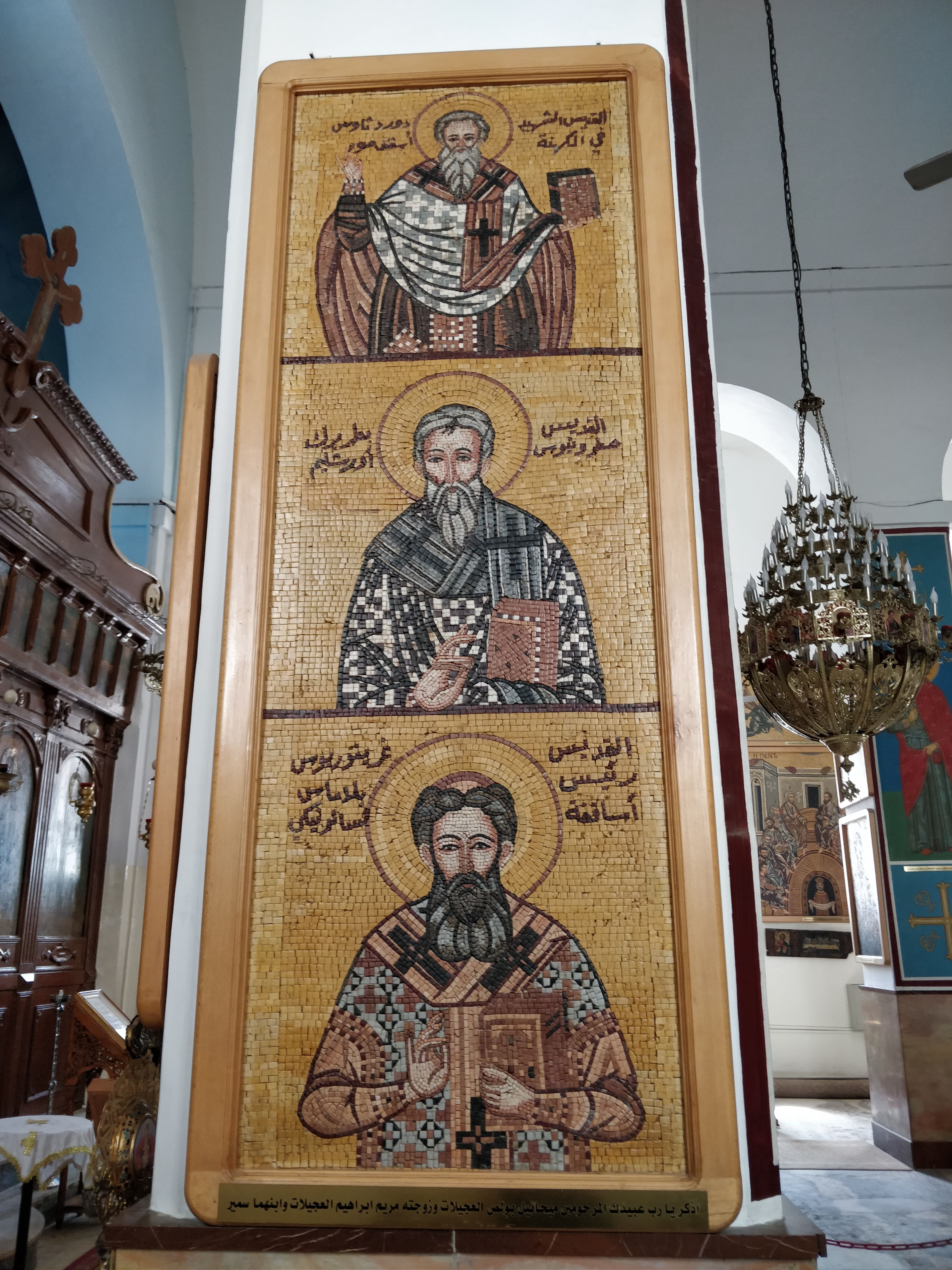
15 minutes away from Mt Nebo is Madaba – the town famous for its mosaics. We visited the famous Greek Orthodox St George Church. There are some really detailed mosaics inside and the most famous one is the Map of Madaba. The map is so famous that the church is even referred to as the “Church of the Map”.
A Giant Crusader Castle – Kerak
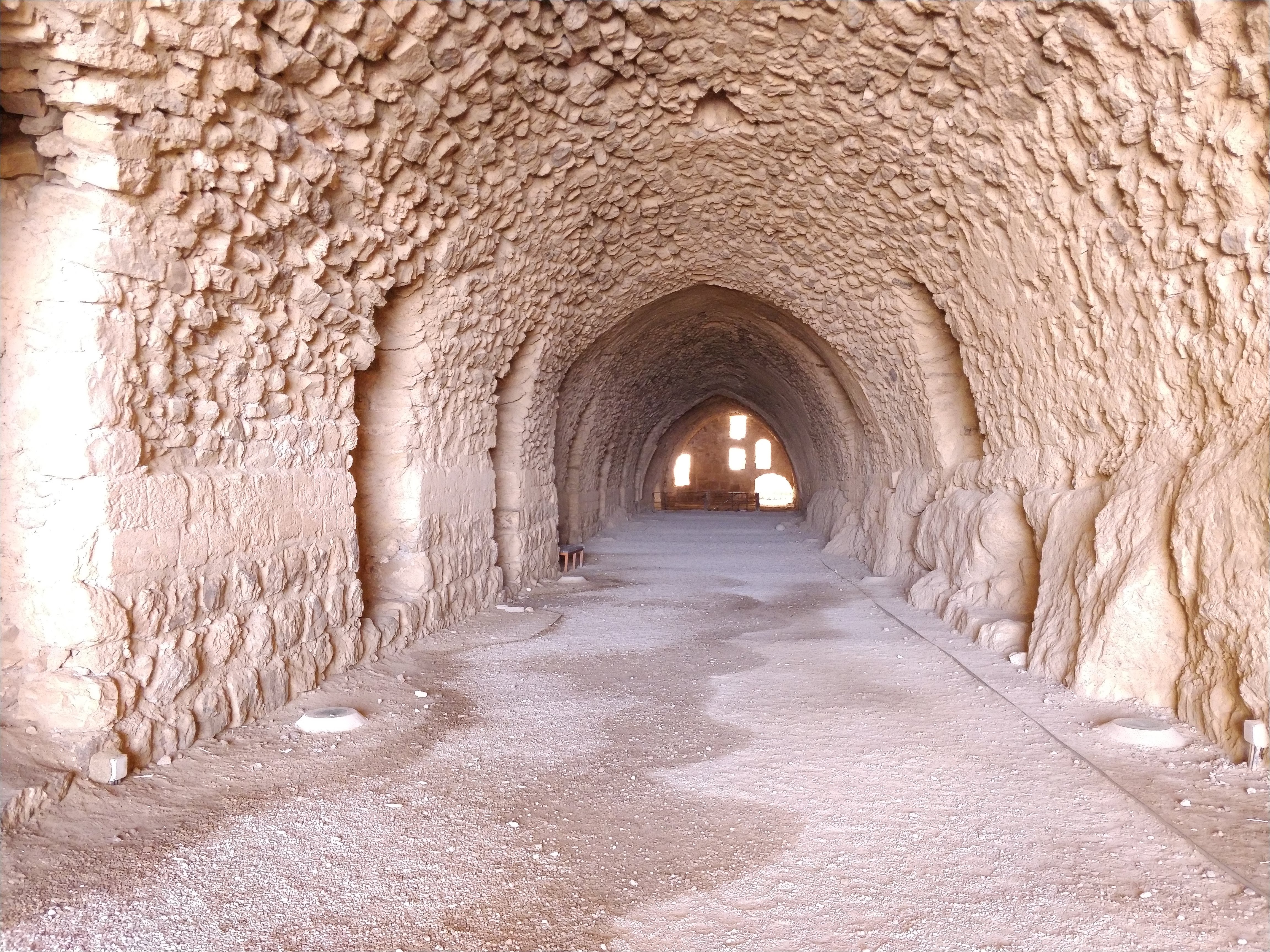
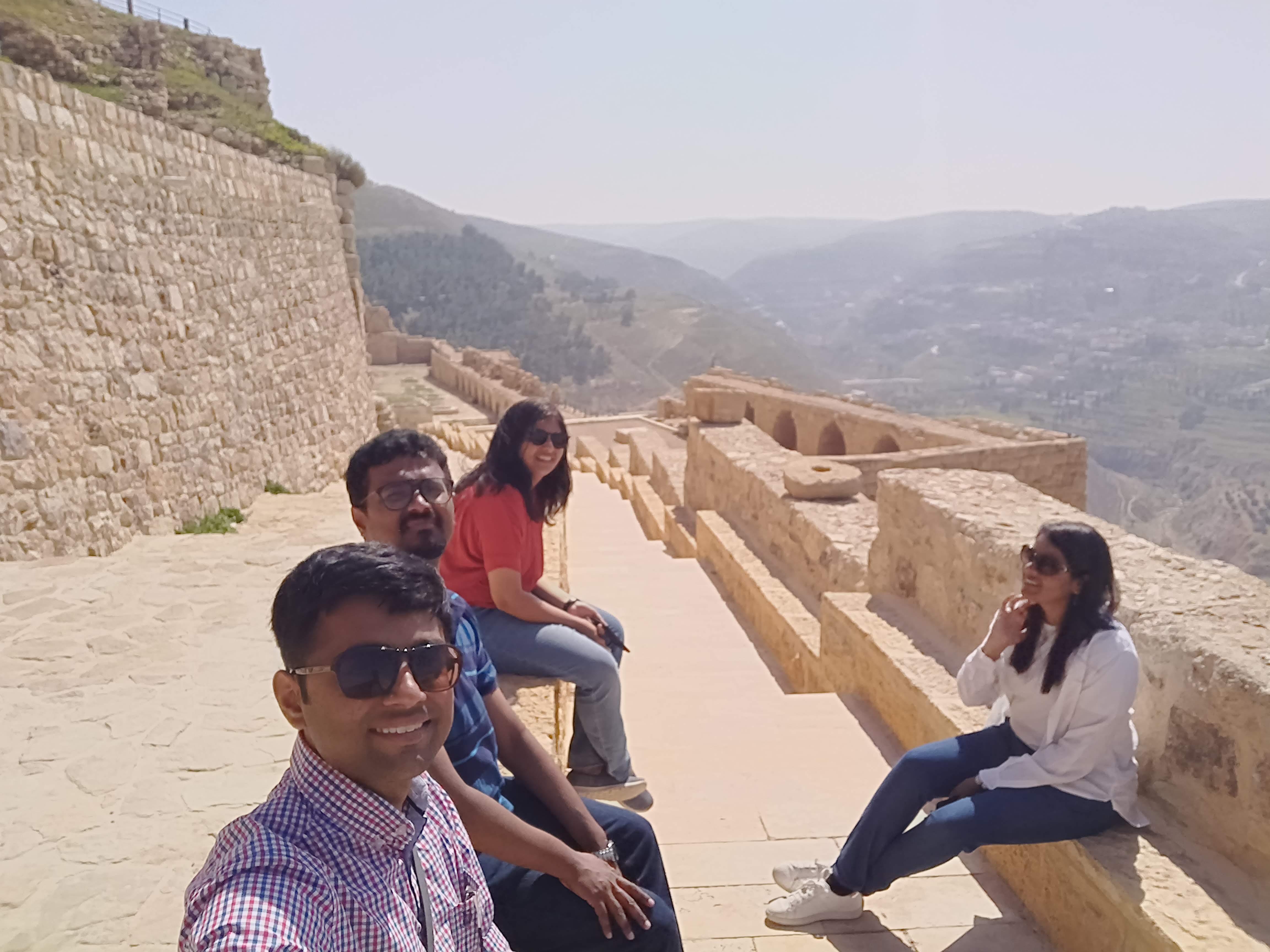
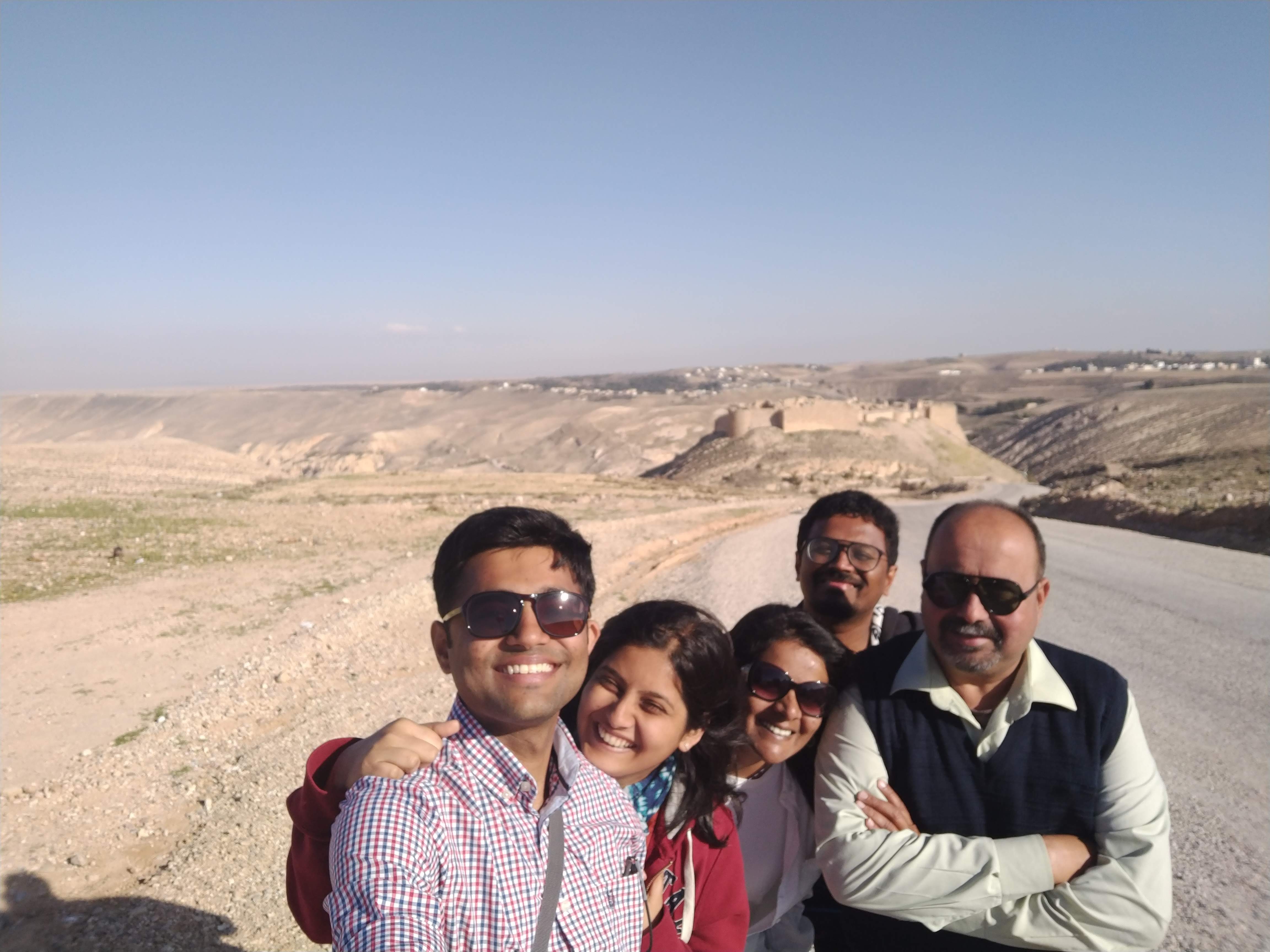
A 2-hour drive from Madaba brought us to Al-Karak or Kerak, a city famous for the large castle on one of its peaks. It is located on the King’s Highway – the ancient trade route. The castle was built by the Crusaders, a group of Christians who waged religious wars to conquer the Holy Lands from Muslims. As with all other things in Jordan, it didn’t last long in their hands as different kingdoms came and went. We spent about an hour exploring the castle and proceeded on our drive to Petra.
A Sea Where You Cannot Drown – Dead Sea
We visited the Dead Sea on Day 4 of our trip. We were super excited for this unique experience – you must have seen photos of people floating on the sea reading magazines. What makes the Dead Sea so impossible to drown in?
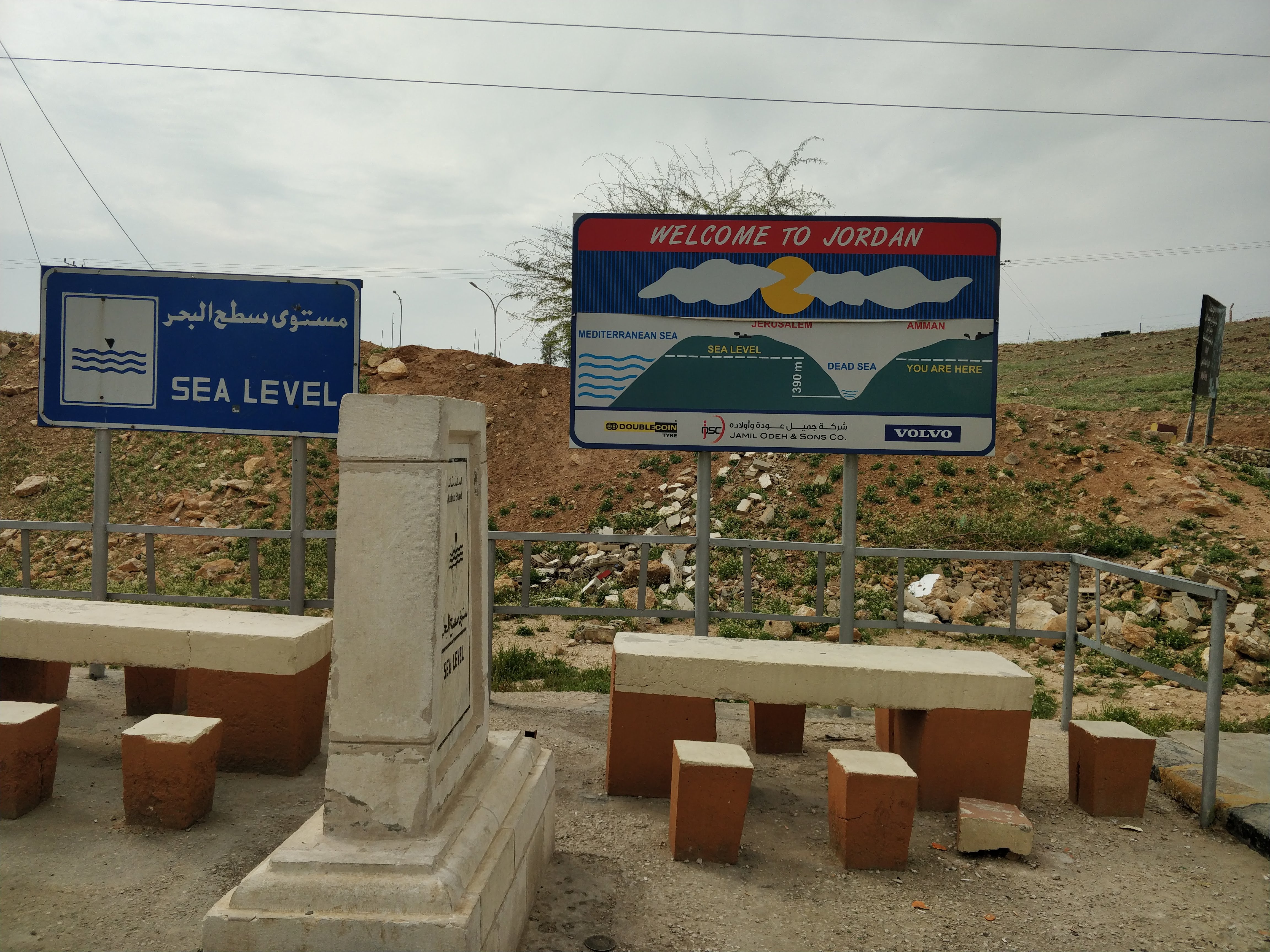
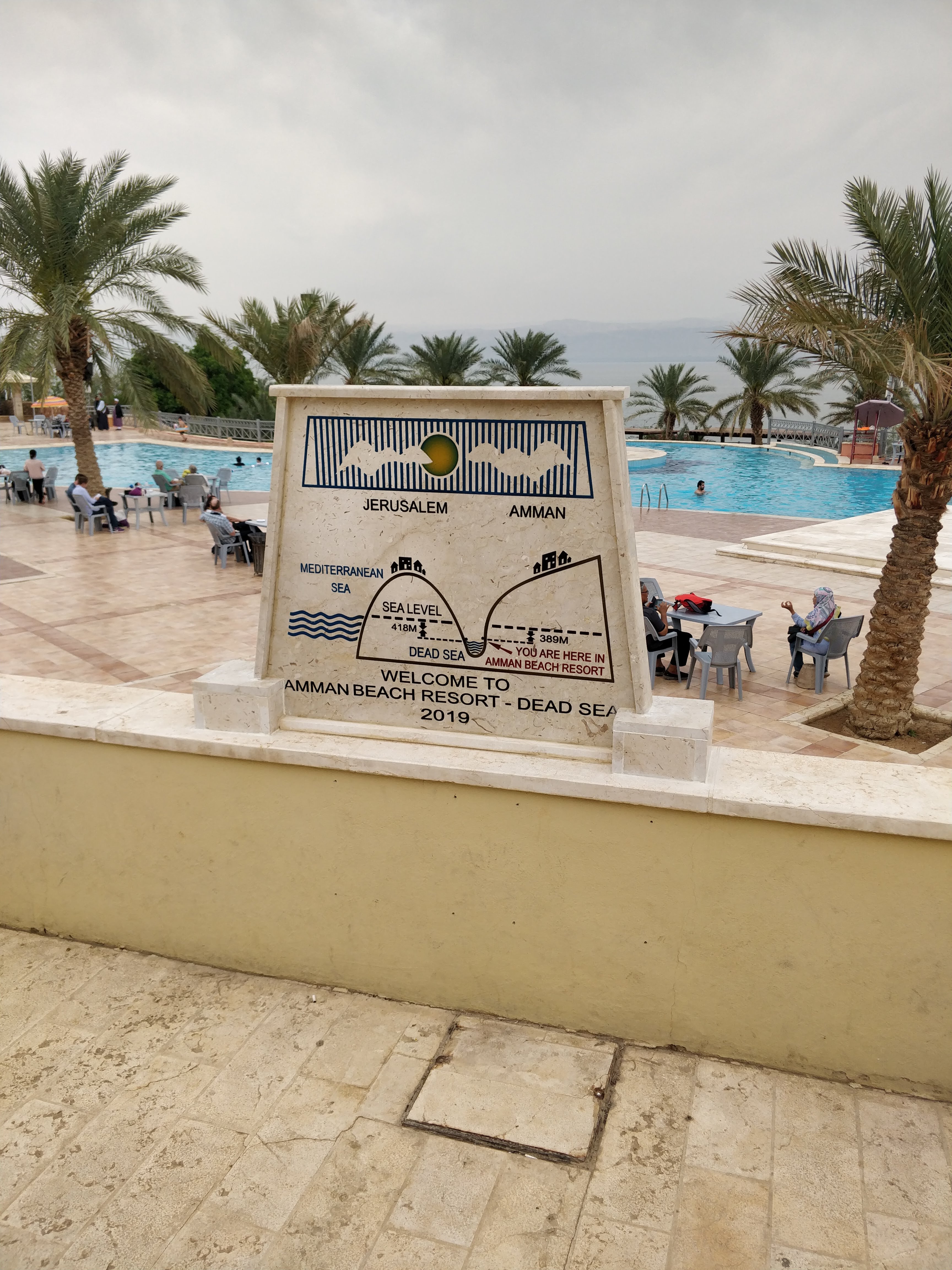
Well, it is one of the saltiest water bodies in the world! In fact, it is almost 10 times saltier that the oceans! The salinity makes it impossible for plants and animals to live around it. It is also the lowest point on Earth – more than 400 metres below sea level.
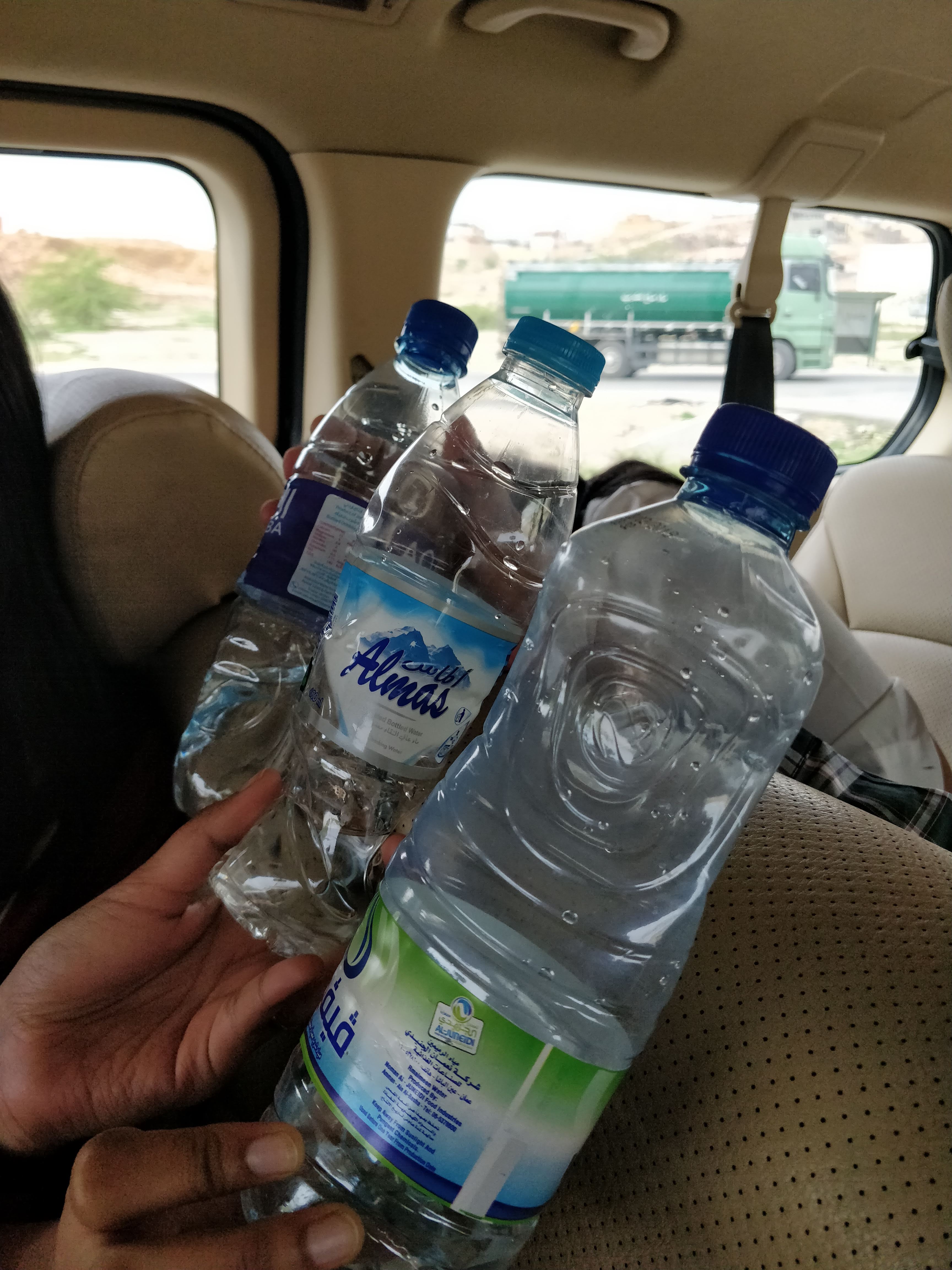
As we drove towards the beach, the road sloped downwards, and we passed by a sign which said that we were at sea level. And as if on cue, we heard a loud cracking noise. Every single water bottle we had got compressed due to the pressure change! This is like the opposite of what happens when you travel to high mountainous regions where packets of chips blow up like footballs.
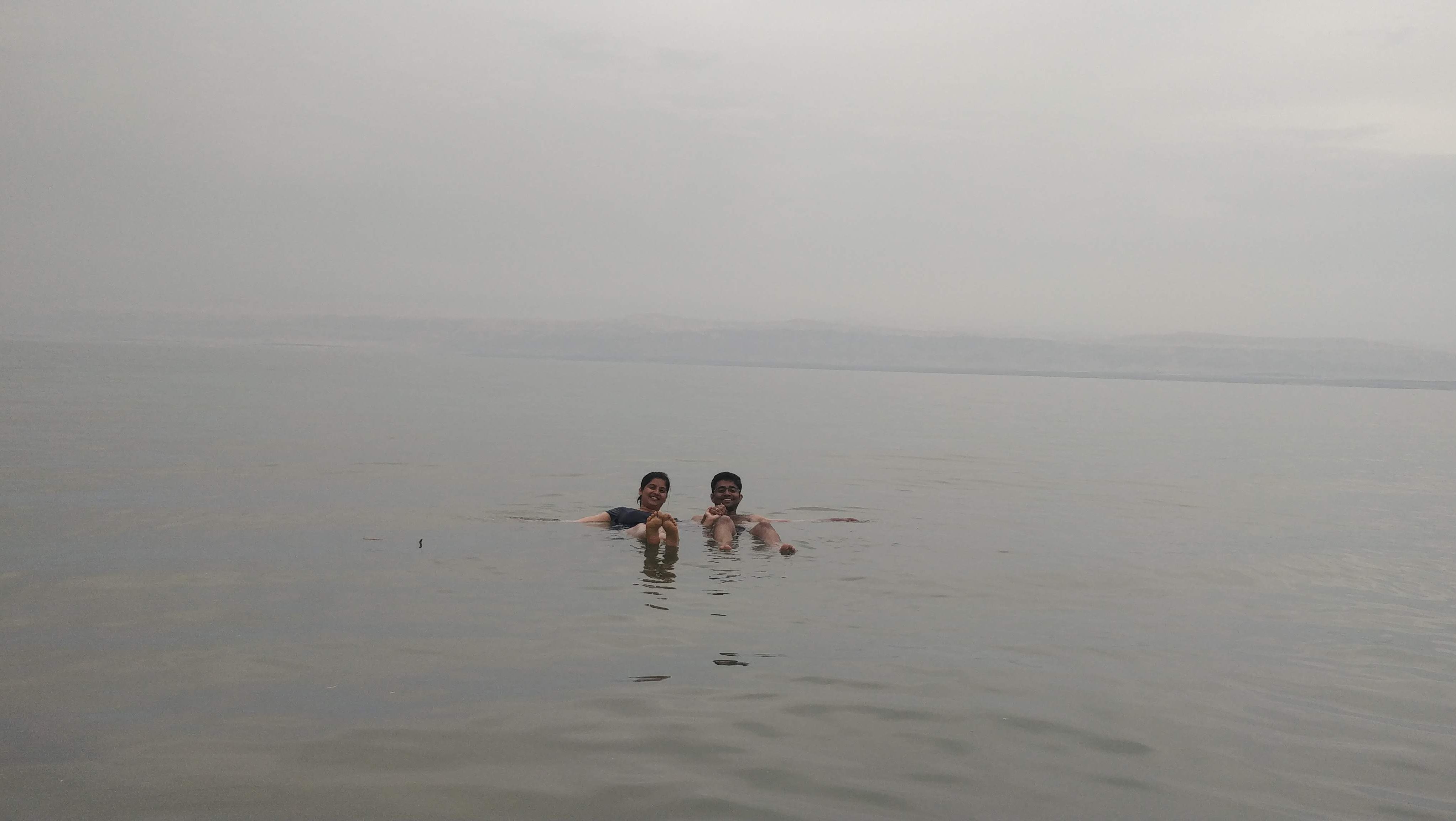
The Dead Sea is unlike any other water body – so don’t jump right in. The first feeling you get when you enter the water is a burning sensation. Due to its ultra-salinity, any scratches or wounds you may have, start acting up. This settles down in a couple of minutes. Take care you don’t get too much water into your eyes – you’ll probably end up running back to shore looking for clean water.
(Tip: keep a bottle of clean water on the beach before entering the water for such emergencies). As hard as we tried to sit down, we were getting pushed right back up. In short, it was fun! We spent plenty of time wading and paddling around and clicking some pics (of course!).
We didn’t choose to cover ourselves in the mud there – if you get a chance, give it a shot.
Our skin felt really soft – apparently the high salt and mineral content helps in exfoliation and gets rid of dead skin cells. In fact, an entire industry has come up which uses the Dead Sea mud and minerals to come up with skincare products! There are many shops along the route and you can pick up a few as souvenirs.
We headed back to Amman for the last leg of our trip. Read all about Amman and its delicious food here.
Dead Sea Jordan: Quick Answers
Is Jerash worth visiting — what’s actually inside the ancient city?
Completely — Jerash is one of the best-preserved Greco-Roman cities we’ve seen, entered through Hadrian’s Arch and spread across a huge site with a hippodrome, a circular plaza ringed by pillars, the Temples of Zeus and Artemis, a colonnaded street with actual chariot-wheel marks still visible in the stone, a Byzantine church, theatres and a Nymphaeum. We spent 2-3 hours there and could have stayed longer.
What does floating in the Dead Sea actually feel like?
The first thing you feel on entering is a burning sensation, especially if you have any cuts or scratches — it settles down after a couple of minutes. After that, no matter how hard we tried to sit down, we kept getting pushed right back up; it’s genuinely fun once you stop fighting the water.
Can you fit Mt Nebo, Madaba and Kerak into one day on the way to Petra?
Yes — we did exactly this on Day 2 of our Jordan trip. Mt Nebo and Madaba are only 15 minutes apart, and a 2-hour drive from Madaba gets you to Kerak castle; we spent about an hour at Kerak before continuing on to Petra, arriving by night.
Is the Dead Sea safe if you have cuts, sensitive skin, or get water in your eyes?
Cuts and scratches will sting until the salt water settles down after a couple of minutes, and getting water in your eyes is genuinely unpleasant — we’d recommend keeping a bottle of clean water on the beach specifically for that. Beyond the initial sting, we found it completely safe, and our skin actually felt softer afterward from the mineral exfoliation.
How much time do you need at Jerash?
We spent 2-3 hours walking through the site, which was enough to see the main highlights, but wear comfortable shoes since it’s a long walk across a large area. Our driver dropped us at the gate and we explored independently from there.
Want the rest of our Jordan trip mapped out, Petra and Wadi Rum included? Subscribe for the full itinerary and our Magnet Map of every stop.
You can read all about our Jordan trip here:
- The Jordan Itinerary – how you can plan your perfect trip to Jordan
- A Historical Melting Pot and a Sea Where you Cannot Drown – Day trips to Jerash, Mt. Nebo, Madaba, Kerak and the Dead Sea
- A Guide to Amman and the Amazing Jordanian Food – you can’t miss this!
- A Visit to a World Wonder and the Red Planet – A guide to Petra and the Wadi Rum desert
If you enjoy reading our blog, do leave us a comment below – your support keeps us going! You can subscribe to our blog for all the updates and travel tips. For a lot more pics and stories about our latest travels, follow us on Instagram @fridgemagnet.tales.

10 thoughts on “Jerash, Kerak & the Dead Sea: A Jordan Road Trip”